Shade Pulse logo
Coverage
Dubai, Abu Dhabi & All UAE
Work Time
Sat – Thu, 8.30 AM - 6.30 PM
Call Us Today

Motorized vs Manual Retractable Awnings: Which Suits Dubai Weather Better?

Modern awnings Dubai UAE

Choosing between motorized and manual retractable awnings feels like a small decision until you live with it through a Dubai summer. The wrong choice means daily hassle, faster wear, or an awning that simply can’t keep up with sudden weather shifts common in this region.

We install both types across homes, cafes, and hotels throughout the UAE, so we’ve seen exactly where each system shines and where it struggles. This guide breaks down the real differences so you can pick the retractable shade system that actually fits your lifestyle and budget.

How Manual Retractable Awnings Perform in Dubai Heat

Manual retractable awnings use a hand crank to extend or retract the canopy. They cost less upfront and have fewer mechanical parts that can fail. For smaller patios or balconies with light daily use, a manual system often does the job perfectly well without added complexity.

The drawback shows up during Dubai’s sudden sandstorms or wind gusts. Manual awnings have no automatic response, so someone has to physically retract the canopy before wind damage occurs. If nobody’s home or nobody notices in time, the fabric or frame can take real damage fast.

Why Motorized Awnings Handle Sudden Weather Better

Motorized awnings respond to changing conditions without you lifting a finger. Most systems we install include weather sensors that detect wind speed and automatically retract the canopy before gusts cause damage. This matters enormously in Dubai, where wind can pick up with very little warning.

Remote-controlled awnings also let you adjust shade coverage throughout the day without walking outside in peak heat. For homeowners and restaurant operators managing multiple awnings across a property, one remote or app controls everything, saving real time during busy service hours or sudden weather changes.

Comparing Wind Resistance Between the Two Systems

Motorized systems generally hold up better in wind, mostly thanks to the built-in sensors and how fast they retract. A motor can pull the canopy in within seconds, way faster than turning a hand crank. That speed matters a lot during Dubai’s sudden wind events, the kind that hit near sunset or roll in with a shamal.

Manual awnings can still perform well in moderate wind if retracted proactively. We recommend manual systems only for properties where someone checks the weather forecast daily and can respond quickly. Otherwise, the automation built into motorized retractable awnings offers meaningfully better long-term protection.

Maintenance Differences You Should Know Before Buying

Manual awnings keep things simple. Fewer moving parts means fewer things that can go wrong. A crank system rarely breaks down, and when it does need fixing, repairs tend to be cheap. That’s what makes manual awnings appealing if you want reliable shade without worrying about upkeep down the line.

Motorized awnings ask a little more of you, usually a motor and sensor check once or twice a year. It’s a small trade-off for the convenience. We offer maintenance packages for our motorized awnings Dubai clients so everything keeps running the way it should, without any surprise repair bills.

Energy Savings and Comfort Across Both Awning Types

Both manual and motorized retractable awnings cut down on solar heat hitting your windows and patio, which brings indoor cooling costs down noticeably through Dubai’s long summers. That savings comes from the shade itself, not from how the awning gets extended, so either system delivers roughly the same benefit here.

Where motorized really pulls ahead is consistency. It adjusts automatically as the sun moves through the day, even if nobody’s home to notice. A manual awning only shades well when someone actually remembers to move it, and that gap can leave your indoor temperature swinging more than you’d like over a full day.

Which System Fits Cafes and Restaurants Better

For hospitality businesses, motorized awnings usually make more sense. Staff can adjust shade quickly during busy service without leaving the counter, and automatic wind response protects the investment during unexpected weather. Guests also notice the smooth, professional operation compared to manual cranking in front of a full patio.

Smaller residential balconies with occasional use can still do well with manual systems. We help each client weigh usage frequency, budget, and how much daily attention they can realistically give the awning before recommending one system over the other.

Let Us Help You Choose the Right Awning System

Both motorized and manual retractable awnings have a place in Dubai’s climate. Your choice really comes down to usage frequency, budget, and how much automation fits your daily routine. We install and service both, so our recommendation is based on your property, not a one-size-fits-all pitch.

Call us at +971501457763 or email info@shadepulse.ae for a free site assessment. We’ll bring real fabric and frame samples so you can actually see and feel what you’re choosing between.

Frequently Asked Questions

Do motorized awnings work during a power outage?

They do, thanks to the manual override crank most of them come with. So, if the power drops, you just retract or extend the canopy by hand instead, and it still stays safe from wind damage even with the motor out of the picture.

How much wind can a retractable awning handle before retracting?

It depends on the model, but most quality retractable awnings in Dubai are rated to handle winds up to around 30 to 40 kilometers per hour before they retract automatically. Past that point, the wind sensors on motorized systems tell the motor to pull the canopy in right away, just to keep things safe.

Is it possible to upgrade a manual awning to motorized later?

Often, yes, though it really comes down to whether your existing frame can support it. Some manual frames can take a retrofit motor kit without much trouble, while others end up needing a full frame swap. We take a look at your current setup during a site visit and tell you honestly which route makes the most sense for your budget.

How often should retractable awning fabric be replaced?

In Dubai’s climate, good awning fabric usually lasts somewhere between 8 and 12 years before the sun and heat start noticeably fading the color or wearing down the material. Regular cleaning and pulling it in during rough weather helps it last longer, while fabric left exposed constantly tends to need replacing sooner.

Can retractable awnings be installed on any type of building?

Pretty much, yes. Villas, apartment balconies, storefronts, it usually works as long as there’s enough wall or ceiling support to hold the mounting brackets. We take a look at your building’s structure during the site visit so we can pick the right mounting method and get the awning sized correctly for your space.
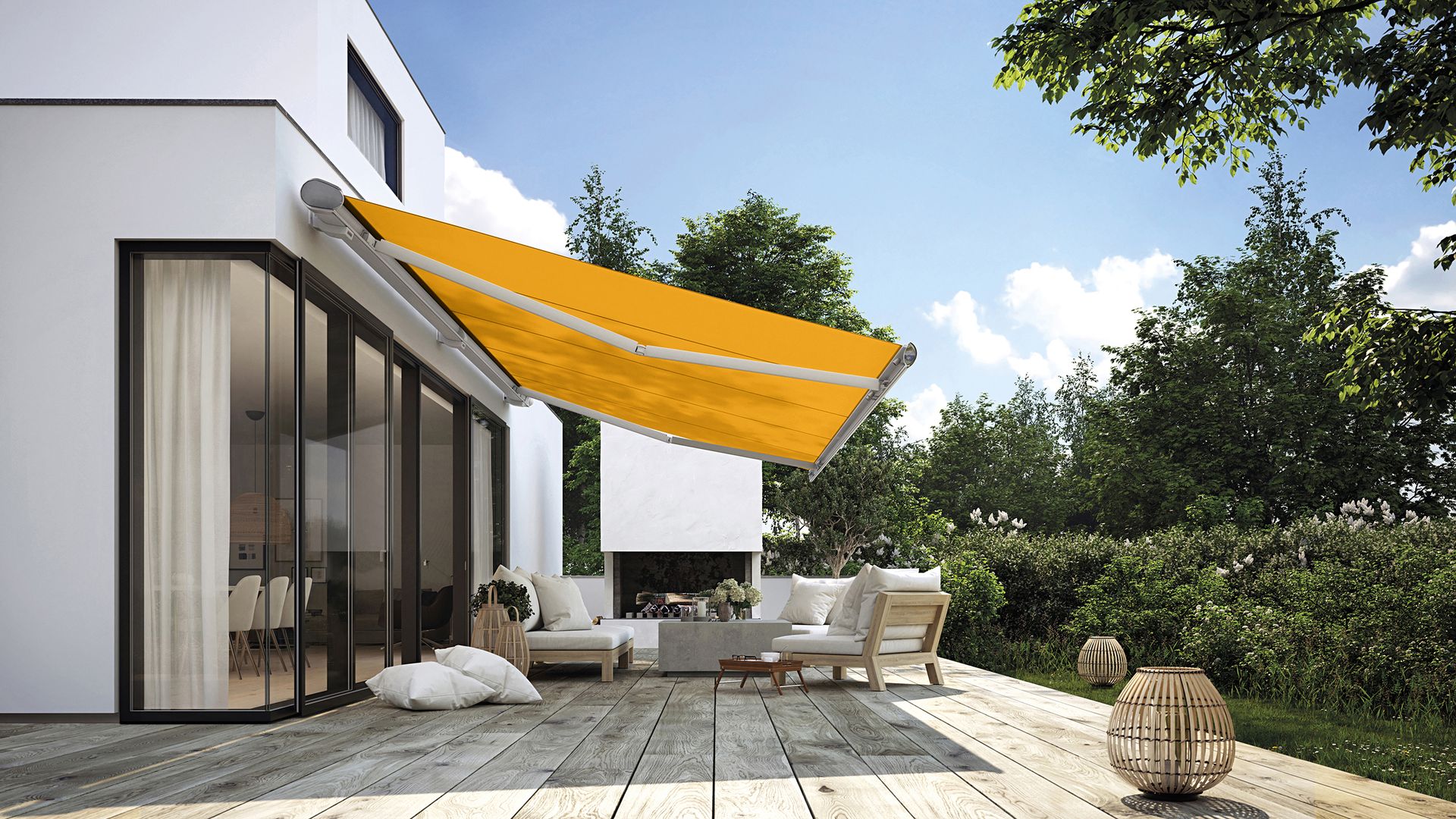
How to Choose the Best Retractable Awning for Your Dubai Home or Café

Retractable awnings Dubai UAE

An outdoor space that can’t be used half the year isn’t much of an outdoor space. Dubai’s summers are real. Intense sun from mid-morning, temperatures that make uncovered sitting areas genuinely unpleasant, and the need for shade that actually works rather than just technically existing.

A retractable awning in Dubai changes the equation. It turns a baking terrace, patio, or café seating area into somewhere people actually want to be. But the range of options is wide, and choosing wrongly means either underperforming shade or a product that won’t last in this climate.

Here’s what to think about before you buy.


Why Retractable Rather Than Fixed?

Fixed awnings or permanent shade structures work for spaces with consistent, year-round shade requirements. Retractable options give you something different: flexibility.

In Dubai, conditions vary enough throughout the day and year that flexibility matters. A retractable patio awning can be extended fully on a hot afternoon and retracted in the evening when you want open sky. It can come in during periods of strong wind. In the cooler months when Dubai’s outdoor climate is actually pleasant, you might want full sun rather than shade.

Fixed structures can’t do that. Retractable awnings give you control over your own outdoor environment rather than committing to one configuration permanently.


Choosing the Right Size: Don’t Underestimate Coverage

Awning sizing is where a lot of people get this wrong. They pick a size that looks reasonable and then find the awning doesn’t actually cover the space they need to use.

Measure your outdoor space before looking at products. Consider not just the footprint of the area but the sun angle, a south-facing terrace in the afternoon requires more coverage than you might expect because the sun comes at an angle. You may need the awning to extend further out than just over the seated area.

For café awnings in Dubai or commercial outdoor seating, coverage for the full customer seating area, with some margin, is the right starting point. Guests sitting at the edge of an awning in direct sun is not a great experience.

If in doubt between two sizes, go larger. Retracting unused awning is easier than shading a space an awning can’t quite cover.


Manual vs Motorised: The Honest Answer

The honest answer is: motorised awnings are almost always worth it for Dubai.

Manual retractable awnings work fine for smaller residential applications where you’re happy to crank an awning out on occasion. But for anything larger, anything in a commercial setting, or anywhere you want to use the awning frequently, motorised operation removes friction entirely.

You can deploy and retract at the touch of a button. Motorised awnings in Dubai can also integrate with wind sensors that automatically retract the awning if wind speed exceeds a set threshold, which is genuinely valuable for protecting the awning and the structure it’s attached to during unexpected weather.

The cost difference between manual and motorised options has reduced significantly, and the convenience benefit is disproportionate to the price gap.


Fabric Selection: UV Protection and Durability Are Non-Negotiable

One thing many homeowners don’t think about until later is how much punishment outdoor fabrics take in Dubai. A fabric that looks great when it’s first installed can start fading, looking tired, or losing its shape after a few years if it isn’t suited to the climate.

That’s why fabric choice matters. Some materials simply cope with the sun and heat better than others. For outdoor awnings in Dubai, fabrics that are designed for long-term sun exposure tend to hold their colour better, stay looking cleaner, and continue performing well even after years of daily use.

The fabric openness factor also affects performance. A denser fabric provides better UV protection and shade quality. A more open weave allows some light through and better air circulation underneath, more pleasant in some settings, less protective in others.

For commercial awnings, colour stability matters for branding consistency. A fabric that fades within two years is a problem aesthetically and practically.


Frame and Structure: What to Look For

The frame determines how long an awning will actually last and how it performs in wind.

Aluminium frames are the standard for outdoor awnings in Dubai. They’re lightweight, corrosion-resistant, and structurally sound. Avoid awnings with steel components that aren’t properly treated, as corrosion becomes a problem over time in any environment with humidity and salt air.

For motorised awnings, the arm mechanism matters too. Quality cassette awnings, where the fabric rolls into an enclosed housing, protect the fabric and mechanism from UV and dust when retracted. This significantly extends the product lifespan compared to open-arm designs.

Awning installation in Dubai should be done by experienced installers who understand the wind loads and fixing requirements for the wall or structure the awning is attached to. Poor installation is the most common cause of awning failure.


Commercial Awnings for Dubai Cafés and Restaurants

For café and restaurant operators, outdoor seating capacity directly affects revenue. An awning that makes outdoor seating usable for more of the day, and more of the year, has a direct financial return.

Commercial awnings need to be sized for proper coverage, use commercial-grade fabrics and mechanisms, and be installed to handle the higher usage frequency of a hospitality environment. Commercial-grade awnings are rated for significantly higher cycle counts than residential options, an important distinction when an awning is being deployed and retracted multiple times daily.

Branding customization, such as fabric colour matching, or printed signage, is also available on commercial awnings and worth considering for street-facing installations.


Shade Pulse: Retractable Awning Installation in Dubai

Every outdoor space has different requirements. A café may need flexible shade for customers throughout the day, while a homeowner may simply want to make a patio more comfortable during summer. Shade Pulse provides retractable awning solutions for both residential and commercial properties in Dubai, with options ranging from simple manual systems to motorised awnings with automation features.

Visit rmsdemo.com/projects/shadepulse/web/ to explore options, get sizing advice, and request a consultation for your space.


FAQs

What size retractable awning is best for a patio?
Measure your actual usable seating area first, then factor in sun angle for your specific orientation. As a rule, size up rather than down, an awning that doesn’t fully cover the space you want to use doesn’t solve the problem. For most standard residential patios, awnings in the 3 to 5 metre projection range cover practical seating areas effectively, but larger terraces need larger coverage.

Are motorised awnings better than manual options?
For most Dubai applications, yes. Motorised awnings are easier to use consistently, can integrate with wind sensors for automatic retraction, and can be operated remotely or on a schedule. The convenience factor means the awning actually gets used rather than staying retracted because operating it is an effort. For small, infrequently used awnings, manual options remain a reasonable choice.

How long do retractable awnings typically last?
With quality materials and proper maintenance, a well-specified retractable awning should last ten to fifteen years in Dubai conditions. Fabric typically has a shorter lifespan than the frame, six to ten years for quality UV-stable acrylic fabric, and can be replaced independently. Cassette-style awnings that protect the fabric when retracted generally outlast open-arm designs in this climate.

Can retractable awnings withstand strong winds?
Quality awnings with wind-rated arm mechanisms can handle moderate wind loads. Most manufacturers specify a maximum wind speed rating, typically around 30-50 km/h depending on the model. Motorised awnings with integrated wind sensors retract automatically when wind exceeds the set threshold, which protects the awning. No awning should be left deployed in strong winds or sandstorms.

Do awnings help lower indoor temperatures?
They can, especially if you have rooms that get blasted by the afternoon sun. If you’ve ever walked into a room that feels noticeably warmer than the rest of the house, chances are the sun is coming through the windows for several hours a day. An awning helps by keeping that direct sunlight off the glass in the first place.

Retractable Awnings in Dubai: Comfort, Style, and Sun Protection for Every Space

Outdoor awnings Dubai

From May to September, stepping outside in Dubai feels like walking into a furnace. If you have a terrace, a pool deck, a café patio, or even a small balcony, you know exactly how fast the heat can kill the vibe. That’s where retractable awnings in Dubai come in. They’re not just shade. They’re the difference between an outdoor space you actually use and one you walk past every day.

In this blog, we’ll cover:

  • Why retractable awnings work so well in Dubai’s climate
  • The key benefits for homes and businesses
  • How motorized awnings make life easier
  • What to look for when choosing awnings for your space
  • How ShadePulse helps you get the right fit


Why Dubai Homes and Businesses Need Serious Sun Protection

Dubai gets more than 3,500 hours of sunshine a year. That sounds lovely until it’s 45°C and your patio furniture is untouchable.

Most people either give up on their outdoor spaces during summer or spend a fortune cooling them down with fans and misters. Neither option is great.

A good retractable awning blocks up to 95% of UV rays and can drop the temperature under the shaded area by 10 to 15 degrees. That’s the kind of difference you feel the moment you sit down.

Unlike a fixed shade structure, a retractable awning gives you control. You open it when you want shade. You retract it when you want sky. You’re not locked into one option.


Benefits of Retractable Awnings in Dubai

  1. Real UV and Heat Protection

Dubai’s UV index regularly hits 11 or above, which is in the extreme category. Prolonged exposure isn’t just uncomfortable. It’s a health risk.

Retractable awnings create a physical barrier between you and direct sunlight. This protects your skin, your furniture, and your flooring from fading and heat damage.

  1. Lower Energy Bills

When you shade your windows and sliding doors with an awning, you reduce the amount of direct sunlight entering your home. Less sunlight means less heat buildup. Less heat means your AC works less hard.

Exterior shading can reduce cooling costs by up to 25%. Over a Dubai summer, that adds up fast.

  1. More Usable Outdoor Space

A shaded terrace or balcony is a livable space. An unshaded one in July is basically off-limits.

With retractable awnings, you extend the hours you can actually enjoy your outdoor area by having morning coffee, evening gatherings, and afternoon lunch without squinting.

  1. Aesthetic Upgrade

Modern awnings look great. They come in dozens of fabric colors and patterns, with sleek aluminum frames that complement contemporary architecture.

A well-chosen awning doesn’t just block sun. It adds style to your villa, apartment, or commercial space.

  1. Weather Adaptability

Retractable awnings can be extended during sunny days and pulled back during wind or rain. This protects the fabric and frame and extend the life of your awning.


Motorized Awnings in Dubai: Why Automation Makes Sense

Manual awnings do the job. Motorized awnings just do it better, and in Dubai’s climate, that difference matters more than you’d think.

  • Convenience – Open or close your awning with a button tap or your phone. No cranking, no climbing, no effort. This is especially worth it for large awnings or spots that aren’t easy to reach.
  • Wind sensors – Most motorized systems can connect to wind and rain sensors, so if conditions shift while you’re out, the awning retracts on its own. No damage, no drama.
  • Sun sensors – Some systems go a step further with sun sensors that automatically deploy the awning when UV levels cross a set threshold. Your patio cools down without you lifting a finger.
  • Smart home integration – Modern motorized awnings can sync with home automation systems, voice assistants, and smart home apps.


Patio Awnings in Dubai: What Works for Homes

If you’re exploring outdoor shade solutions in the UAE, there’s no single answer because the best fit depends on your space. That said, these are the options most Dubai homeowners end up going with:

  • Terrace and balcony awnings – Wall-mounted and extending outward, these are built for apartments and villas with more contained outdoor areas. They cover seating spaces without taking over the whole balcony.
  • Pergola awnings – Attached directly to a pergola frame, these turn an open garden or poolside area into a proper outdoor room. A popular choice for larger villa gardens.
  • Folding arm awnings – Wall-mounted or freestanding, with arms that fold flat when not in use. You get solid coverage without needing any posts eating into your floor space.
  • Vertical drop awnings – These drop down from a fixed point and work more like a screen or privacy panel. Useful on balconies where you’re dealing with both sun and wind coming in from the side.

The right type comes down to your dimensions, which direction the sun hits, how exposed the area is to wind, and honestly, how you actually use the space day to day.


Terrace Shading Dubai: What Businesses Need to Know

For cafés, restaurants, hotels, and retail spaces, terrace shading in Dubai is a business decision, not just an aesthetic one.

Covered outdoor seating expands your capacity. It lets you serve guests who would otherwise avoid outdoor tables during summer months. It keeps your staff comfortable. It creates a visual identity that attracts attention from the street.

For hospitality businesses, we typically recommend heavy-duty commercial awnings with:

  • High-density fabric that blocks both sun and UV
  • Powder-coated aluminum frames rated for outdoor use in high-heat environments
  • Motorized systems with wind sensors for operational safety
  • Custom branding options so the fabric matches your identity

A well-designed outdoor shading setup can genuinely increase revenue per square meter for cafés and restaurants. It’s an investment that pays back.


Weather-Resistant Awnings Dubai: Built for the Climate

Dubai’s climate is tough on outdoor materials.

You’re dealing with:

  • Extreme heat (regularly above 40°C)
  • Strong UV radiation
  • Occasional sandstorms
  • High humidity near the coast
  • Winter winds that can be surprisingly strong

Any awning you install needs to be built for these conditions, not just adapted from a product designed for Europe.

Weather-resistant awnings in Dubai use fabrics with UV ratings above 95%, frames with thermal expansion joints, and coatings that resist salt air corrosion for coastal properties.

When you work with a specialist like us, you get products that are specified for UAE conditions, not just imported catalog items.


How to Choose Retractable Awnings in Dubai: Key Questions to Ask

Before you buy retractable ownings in Dubai, ask yourself:

  1. How large is the area I need to cover with awning? Awning systems have maximum projection and width limits. Larger spaces may need multiple units or a different product type.
  1. Which direction does the sun hit? East-facing spaces need morning shade. West-facing spaces bake in the afternoon. This affects the type and angle of awning you need.
  1. How exposed is the space to wind? Balconies on high floors or beachfront properties face stronger winds. You need a system rated for those conditions.
  1. Do I want manual or motorized awning? For most Dubai homes and businesses, motorized is the better long-term choice.
  1. What’s my aesthetic? The awning should complement your architecture and color scheme, not clash with it.
  1. What’s my budget for awning? Good awnings are an investment. Be realistic about the difference between a five-year solution and a twenty-year one.

We help you work through all of these questions before recommending anything. The goal is to get it right the first time.


Why Choose ShadePulse for Retractable Awnings in Dubai?

ShadePulse specializes in retractable awnings in Dubai for residential, commercial, and hospitality clients. We can tailor outdoor shade solutions, handle the full installation process, and provide after-sales support.

If you’re tired of avoiding your terrace in summer or losing outdoor seating capacity during peak months, let’s talk. We’ll assess your space and recommend something that actually works.

Visit us at rmsdemo.com/projects/shadepulse/web/ to explore your options.


FAQs

Q: Can retractable awnings handle Dubai’s sandstorms?

A: Honestly, no awning should stay open during a sandstorm, and the good news is, you don’t have to be home to deal with it. Motorized retractable awnings with built-in wind sensors will automatically retract the moment conditions get rough. The frames and fabrics on premium awnings can handle brief exposure, but full retraction is always the right move. Think of the motor and sensor as your awning’s self-preservation instinct.


Q: How long do retractable awnings last in UAE conditions?

A: A quality retractable awning in Dubai can realistically last 10 to 15 years, even under the UAE’s punishing sun. The key is what it’s made of. Solution-dyed fabrics hold their color instead of fading out within a season, and powder-coated aluminum frames won’t corrode from humidity or salt air. Keep up with annual cleaning and occasional motor servicing, and you’ll get every year out of it.


Q: Do I need a permit to install an awning in Dubai?

A: It depends on where you live. For most residential balconies and terraces, your first call should be to your building management or community guidelines. Some will approve it quickly, others have specific rules. For commercial spaces, you’ll likely need sign-off from the relevant authority.

Weather Sensors and Awnings: Automated Protection Against Sun and Wind

Commercial outdoor umbrellas Dubai

You step outside to enjoy your terrace. The sun is too strong. You extend the awning manually. An hour later, the wind picks up while you are inside. The awning is still out. That is the moment most people wish their awning could just think for itself. An automated awning system with weather sensors does exactly that.


What Weather Sensors Actually Do

A weather sensor monitors outdoor conditions in real time and measures sunlight intensity, wind speed, and sometimes rain.

When the sensor detects a trigger, it sends a signal to the awning motor. The motor then extends or retracts the awning automatically based on the settings you choose.

You set the thresholds once. After that, the system handles it.

This means your awning responds to actual conditions, not a schedule or a guess. If a cloud rolls in and cuts the sun, the awning retracts. If the wind picks up past a safe level, it pulls back in. When conditions calm down, it extends again.

It sounds simple because it is. But the impact on daily life, and on the lifespan of your awning, is significant.


Sun Sensor Awnings: Shade When You Actually Need It

A sun sensor measures the intensity of sunlight hitting your outdoor space. You set a brightness threshold, and when sunlight reaches that level, the awning extends automatically.

Why this matters for homeowners

Direct sun through a window or onto a terrace can raise indoor temperatures noticeably. A sun sensor awning responds the moment sunlight gets strong enough to cause discomfort. You do not have to remember to extend it. The system handles it while you are busy doing something else.

Why this matters for hospitality and restaurant businesses

Guests sitting on your terrace should not have to squint or ask for the awning to be adjusted. Sun sensor awnings keep your outdoor seating comfortable without any staff having to monitor the weather all day. That is one less thing your team needs to think about during a busy service.

How the sun sensor works

Most sun sensors use a photovoltaic cell or light-dependent resistor to measure lux levels, which is a unit of light intensity. When the lux reading crosses your preset threshold, the controller triggers the motor. When light drops below that level, the awning retracts on its own.

You can usually adjust sensitivity settings to suit your location and how much shade you prefer. A south-facing terrace in the UAE needs different settings than a north-facing balcony in a cooler climate.


Wind Sensor Awnings: Protection You Cannot Afford to Skip

A wind sensor measures wind speed. When gusts reach a level that could damage your awning, the sensor triggers an automatic retraction.

This is not optional. It is essential.

Awnings are vulnerable to wind damage

An extended awning catches wind like a sail. Sudden gusts can bend the arms, tear the fabric, or strain the motor. Repair and replacement costs add up fast, especially for commercial installations.

Most wind damage happens when no one is watching. You are inside. The awning is out. A gust comes through and causes damage before anyone can react.

Wind sensor awnings remove that risk entirely.

How wind sensors work

Wind sensors typically use a spinning anemometer or a vibration-based detector to measure wind speed. When speed crosses a preset threshold, usually somewhere between 25 and 38 kilometres per hour depending on your awning model and location, the controller retracts the awning automatically.

Some systems also include a delay setting. This prevents the awning from extending again immediately after a brief gust, giving conditions time to fully settle before it deploys again.

Getting the threshold right

Set your wind threshold too low and the awning retracts constantly, even in light breezes. Set it too high and you risk wind damage before the sensor triggers. Your installer should help you find the right setting for your specific awning, your fabric weight, and your location.

In the UAE, where strong seasonal winds are common, a properly calibrated wind sensor is one of the most important parts of your outdoor setup.


Automated Awning System: More Than Just Motors

A basic motorized awning lets you press a button. An automated awning system goes further. It combines sensors, a smart controller, and a motor into a system that responds to the environment on its own.

Here is what a complete system typically includes:

The sensor unit. This monitors conditions outdoors. Quality matters here. A cheap sensor can give inconsistent readings, which leads to the awning behaving erratically.

The controller. This is the brain of the system. It receives signals from the sensor and tells the motor what to do. Better controllers allow for more customization, multiple sensor inputs, and integration with home or building automation systems.

The motor. This drives the awning in and out. A reliable tubular motor with the right torque for your awning size is essential. An underpowered motor wears out faster, especially if it has to fight wind resistance during retraction.

The awning itself. The fabric, the arms, and the housing all need to be built for your climate. In a hot, sunny, and sometimes windy environment like the UAE, material quality directly affects how long your system lasts.

Shade Pulse builds automated awning systems with all of these components working together. They design for the specific demands of the region, not just for general use.


Final Thoughts: Let Your Automated Awning System Do the Work

You bought an awning to make your outdoor space more comfortable and more useful. A system that relies on you to monitor the weather and manually adjust it every few hours is not really delivering on that promise.

An automated awning system with weather sensors gives you the full benefit of your investment. The sun comes out, the shade deploys. The wind picks up, the awning pulls back. You stay comfortable and your awning stays protected.

It is the kind of setup that quietly does its job every single day, and you only notice it because things just work.

Understanding Awning Pitch and Projection: Getting the Perfect Angle

Awnings in Dubai

Most people choose an awning based on colour or style. That is completely understandable. But the two factors that actually determine how well an awning performs are pitch and projection, and getting these right makes all the difference.

In the UAE, where summers are intense and the sun can beat down for months, awning pitch affects how much shade you get, how water drains, and how long the structure holds up. This guide explains both concepts clearly so you can make a confident, informed decision.

What Is Awning Pitch?

Awning pitch refers to the angle at which an awning slopes downward from the wall. When an awning is installed flat, it sits at zero degrees. When it tilts forward and downward, the angle increases. That angle is the pitch.

What Is Awning Projection?

Awning projection is how far the awning extends outward from the wall. Think of it as the depth of the shade it creates. A projection of 2 metres means the awning stretches 2 metres away from the building.

Projection directly controls how much area sits in shade. A deeper projection covers more ground, which is important for outdoor seating areas, cafes, or shopfronts in Dubai and Sharjah, where the afternoon sun comes in at a low angle and can reach far under an awning.

How Pitch and Projection Work Together

Pitch and projection are not separate decisions. They influence each other, and both affect the final result. A longer projection at a low pitch gives more ground coverage but may not protect against low-angle sun. A steeper pitch with a shorter projection blocks overhead sun better but covers less floor area.

Here is a practical example. A cafe in Ajman wants to shade an outdoor seating area. If the tables extend 3 metres from the wall, the projection needs to match at least that. But if the awning sits at a very flat angle, customers seated near the outer edge will still feel the sun on their faces during late afternoon.

Choosing the Right Pitch for UAE Conditions

For Sun Protection

A steeper awning pitch of 10 to 20 degrees works better for sun protection in the UAE. It blocks more of the sky and prevents the sun from shining beneath the fabric at lower sun angles in the morning and late afternoon. This is especially useful for west-facing shopfronts and outdoor seating areas.

For Rain Drainage

Even in the UAE, a flat awning creates problems when rain does fall. Water pools on the surface and puts stress on the fabric and frame. A minimum awning pitch of 5 degrees ensures water runs off the front edge rather than sitting on top. For areas in the UAE that experience heavier seasonal rain, 10 degrees or more provides reliable drainage.

For Wind Resistance

A lower pitch reduces the surface area that faces into the wind, which helps retractable awnings and fixed awnings hold up better in gusty conditions. In coastal areas of Dubai and Sharjah, where sea breezes are common, this is worth factoring in when selecting the pitch.

Getting the Right Advice for Your Awning in the UAE

Calculating the ideal pitch and projection for a specific location takes experience. The sun angle changes throughout the year, building heights affect shade gaps, and the intended use of the shaded area changes what numbers work best.

The Environmental Impact of Awnings: Sustainable Shade Solutions

Awnings Dubai

The UAE gets incredibly hot for most of the year. People can’t enjoy outdoor spaces without proper shade. Awnings solve this problem while helping the environment.

Awnings are simple covers attached above windows, doors, and outdoor areas. They block the sun before it heats your building. This basic idea creates big changes for energy use and comfort.

How Awnings Keep Buildings Cool

Sunlight hits your building’s walls and windows all day long. This makes everything hot to the touch. The heat doesn’t just stay outside; it travels through walls and glass into your rooms.

Your air conditioner notices the warm indoor air. It works harder and runs longer to cool things down. This means your electricity bill goes up every month.

Awnings stop this problem at the source. They create shade that blocks sunlight before it reaches windows and walls. The heat never gets a chance to enter your building in the first place.

Energy Savings Help Fight Climate Change

Every building that uses less electricity helps the environment. Power plants burn fuel to make electricity. This process releases harmful gases into the air.

These gases trap heat in Earth’s atmosphere. Scientists call this global warming or climate change. Awnings cut down energy use, which means fewer of these dangerous gases are released.

One building alone makes a small difference. But when entire neighborhoods install awnings, the impact grows huge. Less electricity demand means power plants don’t work as hard.

Big Benefits Beyond Energy Savings

Awnings do more than just block heat and save electricity:

Protection from Sun Damage: Sunlight fades colors in your furniture, rugs, and floors. Over time, these items look old and worn out. Awnings shield your windows from harsh UV rays. Your belongings last longer, so you don’t need to buy replacements as often.

Better Outdoor Spaces: Cafes with awnings stay busy even during hot afternoons. Walkways with shade feel comfortable to use. Patios become favorite spots for families to gather. People spend more time outside instead of hiding in air-conditioned rooms or driving around looking for cool places.

Cooler Parking Lots: Big shade structures over parking spaces make a real difference. Cars don’t turn into ovens. The whole area feels more comfortable. This helps solve a problem called the urban heat island effect, where cities get much hotter than countryside areas.

Picking the Right Awnings

Retractable awnings give you choices throughout the year. Roll them out when summer heat arrives. Pull them back during cooler months to let warming sunshine through your windows. This flexibility saves energy in every season.

Fixed awnings stay in place all the time. They provide constant protection for areas that always need shade. Both types work well when you pick the right spots to install them.

Taking Action Makes a Difference

Your building or favorite outdoor spot probably needs better shade. Awnings could transform how comfortable and efficient these spaces feel. The choice seems obvious when you look at all the benefits.

Awnings work every single day without making noise or needing attention. They block heat while you sleep, work, or play. This constant protection adds up to real environmental impact.

Commercial Awnings: Branding, Protection, and Customer Comfort for Businesses

retractable patio covers

Commercial awnings work as more than just shade providers for your business location. They welcome customers at your entrance, shield people from tough weather conditions, and act as strong branding tools that help your business get noticed.

Business owners throughout Dubai, Sharjah, and Ajman see that quality awnings bring returns through more customer visits, better comfort levels, and stronger brand recognition. Learning how awnings deliver these benefits helps businesses choose the right exterior upgrades.

How Awnings Build Your Business Brand

The front of your store makes the first impression on people walking by. Business awnings UAE work like three-dimensional signs that show your brand around the clock without monthly advertising bills.

Custom awnings display your business name, logo, and brand colors where everyone can see them. This steady visual presence keeps your business in people’s minds and makes your location easy to find.

The UAE business environment values top-quality presentation. Smart custom commercial awnings show professionalism and careful attention to detail. People often judge how good a business is by looking at the outside, and a well-designed awning tells them you care about every part of your business.

Protecting Customers and Buildings from Weather

UAE weather creates real challenges for business spaces with outdoor areas. Very hot summers and sometimes heavy rain make unprotected entrances uncomfortable or impossible to use. Commercial shade solutions fix these problems well.

Awnings create comfortable spaces between hot outdoor areas and cool air-conditioned rooms inside. Customers feel better stepping into the shade before they enter your store.

People who run restaurants and cafes find awnings especially useful for outdoor eating spaces. Retractable commercial awnings let businesses provide comfortable outdoor dining even when the afternoon heat is strongest.

Making Customers More Comfortable

Comfortable customers spend more time and money at businesses. Commercial awnings in Dubai create nice environments that make people want to stay longer instead of rushing through their visits.

Managing waiting lines gets much easier with covered areas. Banks, medical offices, and service businesses often have customers waiting outside. Awnings give shade and rain protection, making wait times easier to handle and cutting down on complaints.

Motorized commercial awnings add extra convenience for businesses. Workers can stretch out or pull back awnings based on weather changes during the day. This flexibility keeps comfort levels right, no matter how conditions change.

Picking the Right Type of Commercial Awning

Fixed awnings give constant protection and suit businesses that need shade all the time. These strong setups handle UAE weather reliably and need very little care over the years.

Retractable awnings for businesses provide flexibility that some operations prefer. Restaurants might stretch awnings during lunch but pull them back for an evening mood. Stores adjust coverage based on where the sun sits during different seasons.

Choosing fabric affects both how awnings work and how they look. Top-quality acrylic fabrics fight fading and handle the UAE sun well. Water-resistant treatments make sure awnings work right during rain while keeping their good looks.

Setting Up and Taking Care of Awnings

A professional setup makes sure awnings work as planned and last as long as expected. Proper mounting protects building structures while holding awnings secure against strong winds common in UAE locations.

Commercial awning installation UAE requires knowing local wind patterns and building rules. Skilled installers think about these things, making sure everything follows codes and stays safe.

Care needs change based on the awning type and where it sits. Fabric awnings do better with regular cleaning to remove dust and keep them looking good. Simple washing with gentle soap keeps them fresh without hurting protective coatings.

Making Smart Awning Choices

Choosing good commercial shade solutions means understanding what your specific business needs, what challenges your location has, and what your budget allows. Quality awnings from skilled providers bring the branding power, weather protection, and customer comfort that push business success in the UAE’s tough business environment.

Adding Value and Style: The Impact of Awnings on Your Home’s Exterior

Stylish outdoor pergola Dubai

Home improvements should do two things. They should make life better and increase property value. Awnings deliver both benefits in a way that many homeowners overlook.

These outdoor additions change how a home looks from the street. They also create comfortable spaces that people actually use. The impact goes beyond simple decoration.

How Awnings Change Your Home’s Look

First impressions matter when someone sees a house. Plain walls and windows can look boring. Awnings add depth and character to otherwise flat exteriors.

Think about homes in neighborhoods around Dubai. The ones with awnings stand out. They have more visual interest than houses with bare windows and doors.

Color choices let homeowners match their style. Neutral tones blend with existing paint. Bold colors make statements. Striped patterns add a classic touch that never goes out of fashion.

The shade patterns awnings create also add beauty. Sunlight filtering through fabric casts interesting shadows on the walls and ground. These moving patterns bring outdoor spaces to life throughout the day.

Creating Outdoor Living Areas

Awnings turn unusable outdoor spots into comfortable zones. A patio without shade sits empty during hot afternoons. Add an awning and suddenly that space becomes useful.

Families eat breakfast outside when morning temperatures stay pleasant under shade. Evening gatherings extend later because the area stays comfortable. Even midday becomes bearable with proper coverage.

Outdoor furniture lasts longer under awnings too. Direct sun fades cushions and damages wood. Rain ruins fabric. Protected furniture keeps looking good for years instead of seasons.

Plants benefit from filtered light. Some flowers and herbs grow better with partial shade. Awnings create perfect conditions for container gardens on patios and balconies.

Protection of Awings That Matter

Weather beats down on home exteriors constantly. Sun fades paint on doors and window frames. Rain damages wood trim. Awnings shield these vulnerable areas from daily weather assault.

This protection reduces maintenance needs. Paint jobs last longer. Wood doesn’t crack or warp as quickly. Window seals stay intact. All these small savings add up to significant money over the years.

Indoor items near windows also stay safer. Furniture fabrics don’t fade. Artwork remains vibrant. Flooring near doors keeps its color. This protection extends the life of everything inside the home.

Modern Design Options for Awning

Today’s awnings look nothing like the heavy, complicated versions from decades ago. Modern designs use sleek materials and clean lines that complement contemporary homes.

Retractable models offer flexibility. Extend them during hot sunny days. Retract them when weather cools down or when wanting full sunlight. This control lets homeowners adjust based on seasons and daily needs.

Motorized systems add convenience. Press a button to extend or retract the awning. Some connect to smart home systems. They can even close automatically when strong winds start.

Choosing the Right Awning

Window awnings work differently than patio covers. Each type serves specific purposes. Understanding these differences helps homeowners pick what works best for their needs.

Window awnings typically mount above individual windows. They keep sun out while letting breezes in. These work great for rooms that overheat during afternoons.

Door awnings provide covered entryways. Visitors stay dry while waiting to enter. Packages left at doors avoid rain damage. These practical benefits make daily life easier.

Caring for Your Retractable Awning: Simple Tips for Longevity

Awnings in Dubai UAE

Dubai homeowners understand the value of outdoor shade. A retractable awning creates a comfortable space where families can relax without worrying about harsh sunlight.

Many people buy awnings and never think about maintenance until problems appear. Taking care of your awning is actually quite easy and doesn’t take much time.

Why Awning Maintenance Matters

Your retractable awning stays outside all year. It handles burning sun, strong winds, sand, and occasional rain. Dubai’s desert climate makes things harder because sand particles settle on every surface.

The fabric, frame, and moving parts all need attention. Keeping the fabric clean, moving parts lubricated, and the awning stored properly helps it last for years.

Cleaning Your Awning the Right Way

Dust builds up fast in Dubai. Clean your retractable awning once every month, especially during dusty weather. Start by using a soft brush to sweep away loose dirt and sand.

Make a cleaning solution with mild soap and warm water. Spray or wipe this mixture on the fabric gently. Let it sit for a few minutes, then rinse everything with clean water from a hose.

Here’s something important: always let the awning dry completely before rolling it back. Storing a wet awning creates mold and bad smells. The fabric can also get damaged when moisture stays trapped inside.

Dealing With Tough Stains

Sometimes regular cleaning doesn’t remove all marks. Use a soft brush to scrub the stain gently. Never use hard brushes or rough materials because they scratch and tear the fabric. Patience works better than force when removing stains.

Checking the Mechanical Parts of the Awning

The retractable system has many moving pieces. Check the arms, joints, and brackets every few months. Look for loose screws or bolts and tighten them right away.

Add lubricant to hinges and moving parts twice each year. This keeps your retractable awning opening and closing smoothly. Listen carefully when operating the awning – strange noises often mean something needs fixing.

For motorized systems, test the controls regularly. Replace remote batteries when they get weak. Learn how to use manual controls in case the motor stops working during a power cut.

Weather Protection Steps

Strong winds are the biggest enemy of any retractable awning. Always pull the awning back when the wind speed increases. Even quality awnings can tear or bend when facing powerful gusts.

Sandstorms happen regularly in the UAE. After each storm, brush off the sand carefully before extending the awning. This simple step prevents scratches on both the fabric and frame.

Rain usually doesn’t harm awnings, but standing water does. Make sure water flows off properly and doesn’t collect in pools on the fabric surface. Sagging areas trap water, which adds weight and stress to the material.

Seasonal Care Tips for Awning

Dubai doesn’t have traditional seasons, but weather patterns change throughout the year. During extremely hot summer months, check the awning more often. Heat can dry out moving parts and make them stiff.

In cooler months, when outdoor spaces get more use, clean the awning more frequently. More activity means more dust and dirt collecting on the fabric.

Awnings as Energy Savers: Reducing Indoor Temperatures by Shading Windows

Commercial outdoor umbrellas Dubai

Living in the UAE means dealing with extreme heat for most of the year. Many homeowners look for practical, budget-friendly ways to lessen the heat, and one solution that stands out is installing awnings. Awnings are simple in design, and they can make a big difference in lowering indoor temperatures.

How Awnings Keep Your Home Cool

When sunlight hits your windows directly, it heats the glass. This heat then affects your home, which is why the air conditioner couldn’t work properly. Awnings act like an umbrella for your windows.

Awnings keep the rooms naturally. So, your air conditioning system doesn’t have to run as much, which saves electricity and money. Here, science is very simple. Awnings create a barrier between the sun and your windows. This helps to create a cool room.

Window Types for Awnings

Not all windows benefit equally from awnings. Large windows that face south or west get the most sun in the UAE. Sliding doors leading to patios or gardens also work well with awnings. The shade makes outdoor spaces more comfortable while protecting indoor areas.

Small bathroom windows or north-facing openings might not need awnings. Focus your budget on the windows that get direct afternoon sun.

Additional Benefits Beyond Energy Savings

Awnings protect furniture from fading. UV rays that would normally enter through windows get blocked outside. This keeps carpets, sofas, and curtains looking new longer.

Outdoor awnings create comfortable spaces for families. Covered patios become usable even during midday heat. This adds living space to your home. Awnings also reduce glare on TV screens and computer monitors. Rooms become more comfortable for work and relaxation.

Maintenance in Desert Conditions

UAE’s dusty environment requires regular awning cleaning. Hose down fabric awnings monthly to remove sand and dust. This keeps them looking good and working properly.

Retractable awnings should be retracted during sandstorms. This prevents damage from high winds and blowing debris.

Check mounting hardware yearly. Desert heat can affect metal parts, so ensure everything stays secure and functional.

Cost vs. Long-term Savings

Quality awnings represent a smart investment for UAE homeowners. While initial costs vary, the energy savings begin immediately after installation.

Most families recover their awning investment within 2-3 years through reduced electricity bills. After that, the savings continue year after year.

Awnings also increase property value. Homes with good shade solutions appeal to buyers who understand the importance of staying cool in the UAE climate.

Conclusion

UAE weather demands durable materials. Look for awnings made from solution-dyed acrylic fabric or aluminum. Retractable awnings work great in the UAE. You can extend them during hot months and retract them during cooler weather.

This flexibility protects the awnings from sandstorms and strong winds. Fixed awnings cost less but stay in place year-round. They work well for windows that need constant shade protection.