Shade Pulse logo
Coverage
Dubai, Abu Dhabi & All UAE
Work Time
Sat – Thu, 8.30 AM - 6.30 PM
Call Us Today

Choosing the Right Mesh Opacity for Your Zip Screen: Privacy vs. View

Luxury zip screen blinds Dubai

Picking the right zip screen mesh opacity feels tricky at first. You want privacy from your neighbors. You also want to keep your garden or pool view intact. We deal with this exact question every week at Shade Pulse, and we know the answer isn’t one-size-fits-all.

Mesh opacity, often called the openness factor, decides how much you can see through your screen fabric. A lower openness factor means denser weave and more privacy. A higher openness factor means better visibility and airflow. Getting this balance right changes how your outdoor living space actually feels day to day.

What Does Mesh Opacity Actually Mean for Your Screen

Mesh opacity refers to the percentage of open space in the fabric weave. A screen with 5% openness blocks nearly all direct view through it. A screen with 14% openness lets you see outside clearly while still cutting glare and UV rays. Manufacturers label this as the openness factor on every zip screen fabric spec sheet.

This number affects three things at once: how much light passes through, how private the space feels, and how much airflow moves across your terrace. We always ask clients one simple question before recommending a fabric. Do you want to disappear from view, or do you want to see out while staying comfortable?

Low Opacity Options for Maximum Privacy

If your priority is daytime privacy, aim for mesh with 1% to 5% openness factor. These tighter weaves work well for ground-floor patios facing a busy street or a neighboring balcony. They also reduce solar heat gain significantly, since less sunlight passes through the fabric at all.

The tradeoff is visibility from inside. At night, with interior lights on, low-opacity zip screens can create a mirror effect, showing your reflection instead of the view. We recommend pairing dense mesh with warm, low-intensity lighting outdoors to soften that mirror effect after sunset.

High Opacity Options for Better Outdoor Views

For homeowners who love their garden, pool, or skyline view, higher openness factor fabrics between 10% and 14% work best. You still get UV protection and glare reduction, but the outside world stays visible. These screens suit upper-floor terraces or gardens where privacy matters less than the view itself.

Airflow improves noticeably with higher opacity mesh too. Your outdoor zip screens will let breeze pass through instead of trapping heat against the fabric. Architects often specify this range for rooftop lounges and restaurant terraces where ambiance depends on an open, connected feel to the surroundings.

Finding the Middle Ground with Medium Density Fabric

Most of our clients land somewhere in the middle, around 6% to 9% openness factor. This range gives you decent daytime privacy without turning your terrace into a sealed box. You keep some visibility outward, get solid sun protection, and still allow reasonable airflow through the space.

We often suggest this middle range for family homes with kids playing outside. Parents want to watch their children from indoors. A medium-density zip screen makes that possible while still shielding the patio from harsh afternoon sun and prying eyes from the street.

How Fabric Density Affects Solar Heat and Energy Efficiency

Denser fabric doesn’t just block view; it blocks heat too. Lower openness factor screens reduce solar heat gain by a wider margin, which lowers the load on your air conditioning system. This matters a lot in hot climates where outdoor comfort and energy efficiency go hand in hand.

At Shade Pulse, we test each fabric type for its solar heat control performance before recommending it to clients. Our motorized zip screens use PVC-coated polyester fabrics engineered specifically for UV protection and heat reduction, so you get comfort and savings together, not one at the cost of the other.

Insect Protection and Airflow Considerations

Zip screens aren’t only about sun and privacy. The tight track system on our exterior zip screens also blocks insects effectively, since the fabric seals against the frame with zero gaps. This makes evening use far more pleasant, especially during warmer months when bugs are most active.

Airflow still matters even with insect protection in place. A higher openness factor lets more air move through, so the space doesn’t end up feeling closed in or stuffy. We help clients land on a fabric density that keeps the bugs and heat out without giving up that breathable, open-air feeling most people are after in the first place.

Why We Recommend a Site Assessment Before You Decide

Every property faces different sun angles, wind patterns, and privacy needs. That’s why we don’t recommend picking mesh opacity from a catalog alone. Our team visits your property, checks the orientation of your outdoor living space, and studies what’s actually visible from neighboring buildings or streets.

We then walk you through fabric samples in real daylight conditions, since opacity looks different indoors versus outside. This hands-on approach has helped hundreds of homeowners and developers across the region choose the right solar screening solution the first time, without costly fabric swaps later on.

Ready to Choose the Right Zip Screen for Your Space

Choosing zip screen mesh opacity doesn’t have to feel overwhelming. Once you know your priority, whether that’s privacy, view, airflow, or energy efficiency, the right fabric density becomes obvious. We’re here to guide that decision with real samples and honest advice, not a generic sales pitch.

Call us at +971501457763 or email info@shadepulse.ae to book a free site visit. We’ll help you find the exact openness factor that fits your home, your view, and your comfort needs.

Frequently Asked Questions

What openness factor is best for a pool area?

For pool areas, we usually point people toward a 6% to 9% openness factor mesh. It cuts down on glare and UV without shutting you off from being able to check on the pool from inside. And since it still lets air move through, you won’t get that trapped, humid feeling right by the water.

Can zip screen mesh opacity reduce indoor cooling costs?

It can, yeah. A denser mesh with a lower openness factor stops more solar heat before it ever hits your windows or patio doors. That takes some pressure off your AC, especially during those brutal afternoon hours, and it adds up to real savings once you look at a full cooling season.

Does lower opacity mesh completely block outside noise?

Not really. Mesh fabric is doing its job when it comes to sunlight, visibility, and airflow, but sound is a different story. A tighter weave might take the edge off wind noise a bit, but it was never built to be a sound barrier. If noise is actually a concern, we’d suggest pairing zip screens with landscaping or some kind of structural barrier instead.

Is high opacity mesh less durable than low opacity mesh?

Not necessarily. Durability comes down to the material and the coating quality more than the openness factor itself. Whether you go with a high or low opacity PVC-coated polyester fabric, either one can hold up for years if it’s looked after. We stick to fabrics rated for UV resistance and weather durability no matter which opacity level you land on.

Can I mix different opacity levels on the same property?

Definitely, and plenty of homeowners do exactly that. Lower opacity for the areas facing the street, higher opacity for garden-facing terraces where things already feel more private. It’s a good way to get privacy where you actually need it while keeping open views where the setting allows for it, and it gives you room to treat each part of your outdoor space differently.
DIY Cleaning and Maintenance Tips for Your Zip Screen Blinds

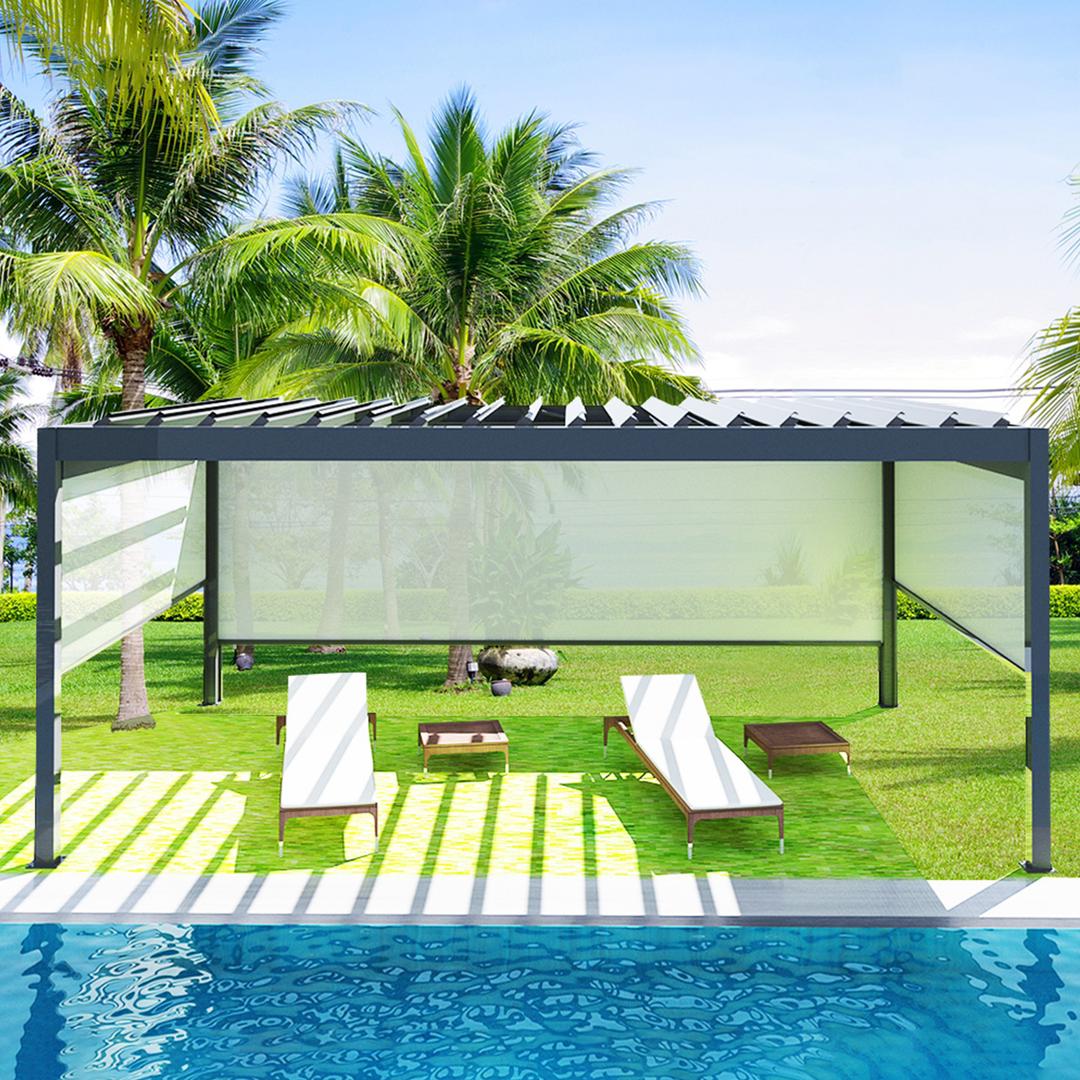
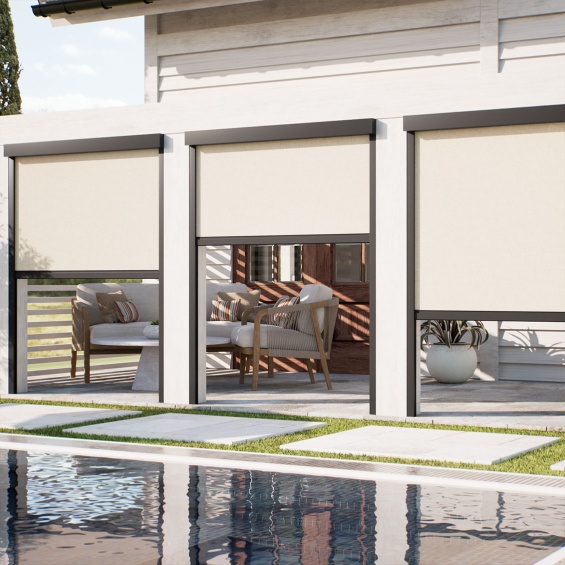
Automatic zip screen blinds Dubai

Keeping your outdoor space comfortable starts with zip screen blinds maintenance you can actually manage yourself. With a few basic tools and fifteen minutes a month, you can keep your screens looking clean, moving smoothly, and lasting for years. We built this guide to walk you through exactly what to do.

At Shade Pulse, we design zip screen blinds for the UAE’s tough outdoor conditions, and we know homeowners want to protect that investment without calling a technician for every little thing. Here’s how to do it yourself, the right way.

Why DIY Maintenance Actually Matters

Dust, sand, and heat are constant here, and they take a toll on outdoor blinds faster than most people expect. Skipping maintenance doesn’t just affect looks. It shortens the life of your motor, track, and mesh fabric.

Regular care also catches small problems early. A slightly stiff track or a bit of dust buildup is easy to fix now. Left alone, it turns into a jammed screen or a worn motor.

How Often You Should Clean Your Zip Screens

Cleaning frequency depends on your environment, but a general rule works well for most homes. Dust the mesh weekly with a soft brush or microfiber cloth, and do a deeper clean every one to two months.

If you’re near construction, sand, or heavy traffic areas, clean more often. Coastal properties also need extra attention, since salt air speeds up corrosion on tracks and frames.

Cleaning the Screen Fabric Without Damaging It

Start by brushing off any loose dust and debris from both sides of the mesh. Skip the stiff brush or abrasive scrubber though, since that kind of scrubbing can tear or stretch the fabric over time.

If it needs a deeper clean, mix a little mild soap into lukewarm water. Wipe the fabric gently with a soft sponge, then go over it with a damp cloth to rinse away any soap residue. Let it air dry completely before you retract the screen. Closing it while it’s still damp is basically an invitation for mildew to grow inside the track.

Keeping the Track Clean and Moving Smoothly

This is the part most people skip, and it’s exactly why so much DIY maintenance falls short. Dust and grit build up inside the track channel over time, and that buildup is usually the real reason screens start sticking or jamming.

Use a vacuum with a narrow nozzle attachment to pull out the loose debris. Follow up with a dry or slightly damp cloth. One thing to avoid: never spray water directly into the track. It can work its way into the motor housing and cause bigger problems down the line.

Lubricating Moving Parts the Right Way

Once the track is clean, add a small amount of silicone-based lubricant along the track and zip edges. Steer clear of petroleum-based products. They tend to attract more dust and can wear down certain fabrics faster than you’d expect.

A light coat is really all it takes. Overdoing it just leaves a sticky film that collects dirt even faster than before.

Caring for the Motor and Electrical Components

Motorised blinds need a gentler approach than manual ones, mainly because your job here is to protect the components, not clean them directly. Keep the motor housing dry and wipe away any dust buildup on the outside.

Don’t try to open up or lubricate the motor on your own. If you start noticing odd noises, sluggish movement, or the screen stopping partway through its track, that’s your cue to bring in a professional before things get worse.

Preventing Corrosion on the Frame

Keeping corrosion at bay starts with making sure the frame stays dry and free of salt buildup, particularly if you’re near the coast. A quick wipe-down with a dry cloth once a month goes a long way, and if the frame gets a lot of sea air exposure, rinsing it with fresh water now and then helps too.

Take a look at the screws and mounting brackets from time to time for early signs of rust. Catching it early is what keeps the frame solid and saves you from an expensive replacement later.

Building a Simple Maintenance Routine You’ll Actually Follow

The easiest way to stay consistent is to pair tasks with a schedule you already remember. Dust weekly, deep clean monthly, and do a full frame and track inspection every season change.

Keep a small kit ready: soft brush, mild soap, microfiber cloth, and silicone lubricant. Having everything in one place removes the excuse to skip it.

How Shade Pulse Supports Your Zip Screen Blinds

We install zip screen blinds built for long-term outdoor living, but our support doesn’t stop after installation. Our team shares maintenance guidance with every customer, and we’re always available if a track, motor, or mesh issue goes beyond a simple DIY fix.

If your screens need a deeper service or a fabric replacement, we’re just a call away. Our goal is helping you get the most out of your outdoor blinds, season after season.

Frequently Asked Questions

How often should I clean my zip screen blinds?
Dust your zip screen blinds weekly with a soft cloth, and do a deeper wash every one to two months. Homes near sand, construction, or coastal air need more frequent cleaning since debris and salt buildup happen faster in those conditions.

What’s the safest way to clean outdoor blind tracks?

Use a vacuum with a narrow nozzle to clear out loose dust and grit, then wipe the track down with a dry or slightly damp cloth. Avoid spraying water directly into the track, since moisture can end up damaging the motor housing over time.

Can I lubricate my zip screen blinds myself?

Yes, that’s a task you can safely handle yourself. Just apply a light coat of silicone-based lubricant along the track and zip edges. Steer clear of petroleum-based lubricants, as they draw in dust and can break down some screen fabrics quicker than you’d think.

What causes zip screen blinds to jam or stick?

Most of the time it’s dust and debris building up inside the track channel. Cleaning the track regularly and adding a light lubricant usually takes care of it. If the jamming keeps happening after cleaning, it might be a motor issue, and that calls for a professional to take a look.

When should I call a professional for cleaning motorised zip screens instead of doing it myself?

If you hear unusual noise from the motor, notice the screen moving slower than normal, or it stops partway through its track, it’s time to call in a professional. These are usually signs of an internal motor or electrical issue, and that’s beyond what’s safe to handle as a DIY fix.

Integrating Zip Screens with Your Home Automation System

Motorized Zip Screens

Zip screens integrate with home automation systems by connecting their motorized drives to a smart hub, which then triggers opening and closing based on schedules, sunlight sensors, temperature thresholds, or direct commands from a phone or voice assistant. Once configured correctly, the screens respond to actual outdoor conditions throughout the day rather than sitting in whatever position someone last left them.

That last part matters more than it sounds. Most homeowners with manual outdoor blinds end up adjusting them inconsistently. The screens close for a few days when the afternoon heat gets bad, then stay in that position for a week after the weather shifts, or get left open through a hot afternoon because nobody’s home to close them. Automation removes the habit from the equation entirely.


Why Zip Screens Work Better with Automation Than Standard Outdoor Blinds

Not every outdoor blind is suitable for motorized automation. Standard roller blinds that hang freely can flap in wind and occasionally slip off their guides during automated movement – which creates operational problems and shortens the life of the mechanism. Zip screens are designed differently.

The defining feature of a zip screen is its tensioned side-track system. The fabric edges run inside aluminium channels on both sides, keeping the screen taut and predictable regardless of wind conditions. That structural stability is what makes zip screens genuinely suited to automated control: the motor moves the fabric along the same path every single time, with no catching, flapping, or misalignment to trigger mid-cycle.

A standard outdoor blind in the same frame might work fine manually but resist automation across anything beyond very light conditions.

Feature Standard Outdoor Blinds Zip Screens
Wind behaviour Can flap or detach from guides Stays taut due to tensioned side tracks
Reliability of motorized movement Variable Consistent – same path every cycle
Automation compatibility Limited High – designed for motorized control
Typical application Light shading Full enclosure, climate and privacy control


How the Integration Process Works Step by Step

Connecting motorized zip screens to a home automation system is a one-time setup that most homeowners can manage themselves for basic scheduling, though more complex integrations with sensors and existing smart home platforms typically benefit from professional configuration.

The process generally runs in four stages. First, the screens need to be motorized rather than hand-cranked, this is either specified at installation or retrofitted onto existing tracks that can accommodate a motor. Second, the motors are connected to a smart home hub or controller, either through a wired connection or via a wireless protocol such as Z-Wave, Zigbee, or RF. Third, the hub links to an app or voice assistant interface so the screens can be controlled manually from anywhere. Fourth, automated triggers are configured – which is where the real day-to-day value comes in.

For a south-facing terrace in Dubai, a practical setup might close the screens at 11 AM when the sun angle makes glare significant, partially open them at 3 PM when direct sun shifts away, and open fully by 6 PM for evening use. That same adjustment done manually every day is a habit that most people abandon within a month.


Why Dubai Homes Benefit from This More Than Most

Dubai’s outdoor climate creates a specific problem that automated shading addresses better than most alternatives. The city’s peak heat period runs from late May through September, with outdoor temperatures regularly exceeding 42°C and direct sun exposure that makes glass-facing rooms uncomfortable even with air conditioning running continuously.

Screens that respond to actual sun position, rather than a fixed daily schedule, reduce heat gain through glass significantly during those peak hours. That reduction in heat load translates into measurable air conditioning savings. Research on external shading in hot-arid climates consistently puts the cooling load reduction between 15 and 30 percent for well-positioned external shading during peak summer months, though exact figures depend on window orientation, glazing type, and how well the screening covers the glass area.

Automated zip screens for smart homes in Dubai also address the occupancy gap: many households in the UAE combine long working hours with domestic staff who may not have clear instructions on when to adjust outdoor shading. An automated system closes when it should and opens when conditions allow, regardless of who’s home.


The Four Most Useful Automation Triggers for Zip Screens

Time-based schedules are the simplest starting point. Most systems let you set specific times for screens to open or close on weekdays versus weekends, and adjust those schedules seasonally. The limitation is that fixed times don’t account for overcast days when natural light drops and shading isn’t needed as early.

Sunlight sensors overcome that limitation by measuring actual light intensity in real time. A lux sensor placed on the building’s exterior can trigger screens when sunlight exceeds a set threshold, say, 30,000 lux, which corresponds roughly to direct midday sun and retract them once the reading drops below that level. This approach avoids unnecessary closure on cloudy days and adjusts dynamically when cloud cover changes.

Temperature triggers work well for spaces used primarily in the evening. A screen can be set to open automatically once the outdoor temperature drops below 32°C, indicating that sitting outside has become comfortable. Some setups pair indoor temperature sensors with outdoor screens, closing the screens when indoor air conditioning load spikes past a certain point.

Remote app control functions as the manual override for all of the above. App-based control for zip screens in UAE smart homes allows the homeowner to adjust any screen from anywhere, useful when plans change and the automated schedule no longer fits what’s actually happening at home.


What to Check Before the Zip Screen Installation Begins

Getting the technical prep right before installation avoids a common problem, discovering that the motor protocol isn’t compatible with the existing smart hub, which means either replacing the hub or replacing the motors.

A few things worth confirming ahead of time:

  • The chosen motor’s wireless protocol matches the home automation platform already in place. Somfy motors, for example, use RTS or IO protocols; KNX-based systems need KNX-compatible actuators; other systems use Zigbee or Z-Wave. Mixing protocols requires a bridge that adds cost and occasionally introduces reliability issues.
  • Power supply to each motor location is available or planned. Motorized zip screens need a permanent power source at the motor housing, a 240V supply for most ducted motor types. Running that cable is much easier during a renovation than after walls are finished.
  • The existing smart home hub can handle the number of zones being added. A home with 8 screens on separate circuits needs a hub with enough device capacity and a clear automation logic structure.
  • Outdoor-rated motors are specified if the motor housing sits in an exposed location. IP54 is the minimum for outdoor exposure; IP65 is preferable in Dubai’s coastal areas where humidity is higher.


Zip Screen Home Automation: A Pre-Installation Checklist

Working through this before engaging an installer saves time and avoids mid-project changes:

  • Confirm all screens will use motorized operation – manual zip screen tracks can sometimes be retrofitted with motors, but not all track profiles accept every motor type
  • Check the wireless protocol of the chosen motor against the existing smart home platform
  • Identify power supply points for each motor – plan cabling routes during any associated building works
  • Decide which triggers matter most: time-schedule, sunlight sensor, temperature, or app-only
  • Test the app interface on a demo or showroom setup if possible. Some platforms are significantly easier to reconfigure than others once the initial setup is done
  • Allow for a commissioning period of 2 to 5 days after installation to fine-tune schedule timings and sensor thresholds


FAQ: Zip Screen Automation and Smart Home Integration

Can existing manual zip screens be converted to motorized automation?

Many existing zip screen tracks can be retrofitted with a motorized drive, provided the track profile is compatible with available motor types and there’s a power source accessible near the motor housing. An assessment of the current installation is needed before confirming this. Some older or narrower track profiles don’t accept standard retrofit motors without modification to the headbox.

Which smart home platforms are compatible with motorized zip screen systems? Compatibility depends on the motor manufacturer. Somfy motors are among the most widely supported and work with Apple HomeKit, Google Home, Amazon Alexa, KNX, and most major platforms via compatible hubs. Other motor brands use Zigbee or Z-Wave protocols that integrate with Philips Hue hubs, SmartThings, and similar controllers. Confirming protocol compatibility before specifying the motor avoids the most common integration problem.

What happens to automated zip screens during a power outage?

Most motorized zip screen systems include a manual override, typically a detachable crank handle that attaches to the motor shaft to allow hand operation when power is unavailable. The screens don’t lock in place during an outage. They simply lose their automated function until power is restored. Battery backup units exist for critical applications but are rarely standard on residential installations.

How much can automated external shading actually reduce air conditioning costs?

External shading positioned correctly on a west or south-facing facade in a hot-arid climate like Dubai can reduce solar heat gain through that elevation by 60 to 80 percent during peak sun hours, according to multiple building energy studies. The effect on total electricity bills depends on how large the glazed areas are relative to the overall building, but homes with significant west-facing glass in Dubai regularly see meaningful reductions in cooling load. Some homeowners report 20 to 25 percent lower electricity use during summer months after installing automated external shading.

Is professional installation required, or can motorized zip screens be self-installed?

The screens themselves benefit significantly from professional installation to ensure the tensioned track system is aligned correctly, a track that’s even slightly off-square causes the fabric to bind during operation. Motor integration with a smart home hub is something a technically confident homeowner can set up themselves for basic scheduling, but sensor-based automation with multiple zones benefits from professional commissioning to configure thresholds and test each zone’s response correctly.

How do sunlight sensors work with zip screen automation?

A sunlight sensor, typically a lux meter or pyranometer mounted on an exterior wall or roof, measures light intensity in real time and sends that data to the smart hub. When brightness exceeds a preset threshold (commonly 25,000 to 50,000 lux for direct sun), the hub signals the screens to close. As light drops below a lower threshold, screens retract. Most systems use two thresholds – one to trigger closing and a lower one to trigger opening, which prevents screens from cycling repeatedly during partly cloudy conditions.

Can automated zip screens be controlled when traveling abroad?

Yes, provided the smart home hub is connected to the home’s Wi-Fi network and the app has remote access enabled. App-based control for zip screens in the UAE gives full remote operation over a standard internet connection, meaning screens can be adjusted from anywhere in the world. Some systems also support geofencing, automatically opening screens when the homeowner’s phone is detected approaching the property.

Do automated zip screens work with voice assistants?

Many motorized zip screen systems integrate with Amazon Alexa, Google Assistant, and Apple Siri through compatible hubs or native app integrations. Commands like “close the terrace screens” or “open the bedroom shade” work in practice, though the exact phrasing depends on how zones are named within the smart home app. Grouping screens by location (terrace, bedroom, living room) makes voice control significantly more intuitive than assigning individual screen names.

What’s the typical lifespan of a motorized zip screen system?

The fabric canopy on a quality zip screen typically lasts 8 to 12 years with regular use before UV degradation affects performance or appearance. Motors generally outlast the fabric, with quality tubular motors rated for 30,000 to 50,000 operating cycles – at two full cycles per day, that’s 40+ years of theoretical lifespan. The electronic control components, including hub hardware and wireless receivers, have a shorter practical lifespan of around 10 to 15 years before obsolescence or firmware support ends.

Can zip screen automation integrate with outdoor sensor systems already in place?

Most modern smart home platforms allow zip screen motors to share sensor data with other connected devices. A weather station already installed for pool management, for example, can feed wind speed data to the screen automation system to trigger retraction in high-wind conditions. The feasibility depends on whether both systems use compatible protocols or whether a bridge device is needed to translate signals between them.

Motorised Zip Screen Blinds: Smart Sun and Privacy Control for Dubai Living

Zipper blinds Dubai UAE

Dubai living is amazing in so many ways. A lot of people love the warmth, the outdoor culture, and the lifestyle here. But anyone who’s actually lived here knows the summer heat which makes outdoor spaces unusable without shade, UV exposure that fades furniture and heats up rooms, and the challenge of creating privacy in densely built residential and commercial areas.

Motorised zip screen blinds in Dubai have become one of the most practical solutions to all three of these problems at once. They’re not a gimmick. They work, and they change how you use your space.


What Makes Zip Screen Blinds Different from Other Outdoor Blinds

Not all outdoor blinds are the same. The zip screen design specifically addresses the main weakness of conventional roller blinds outdoors: the edges.

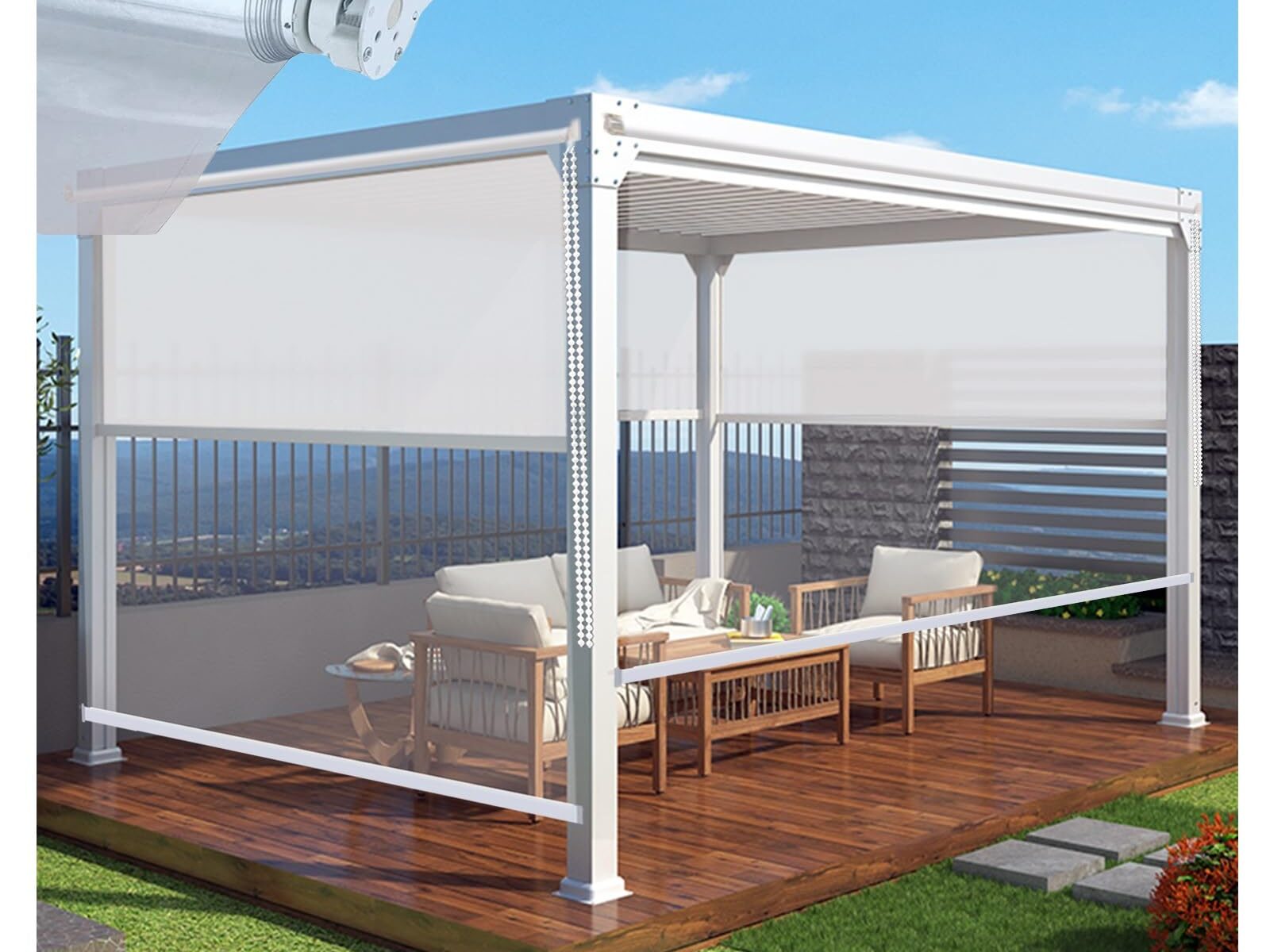
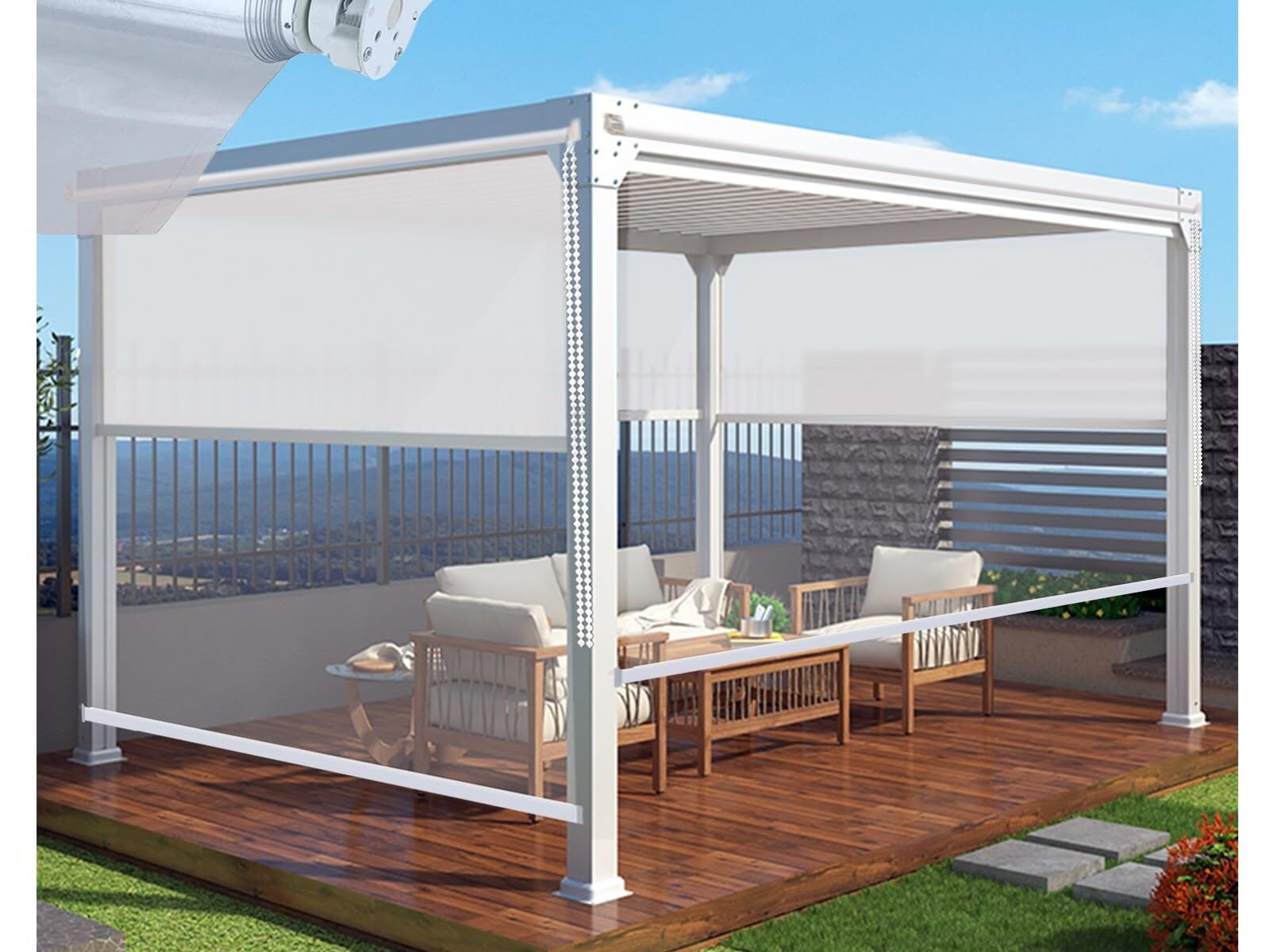
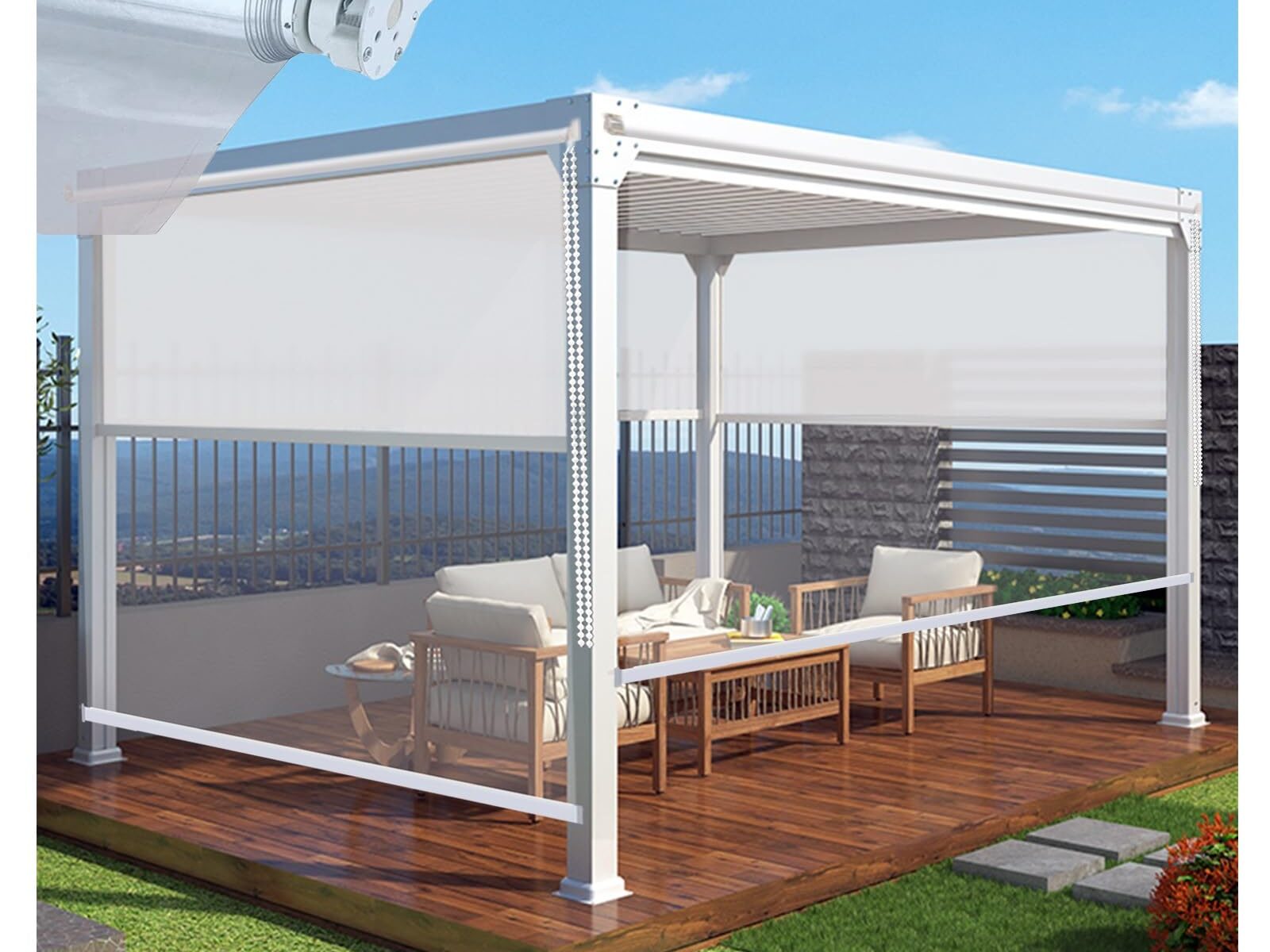
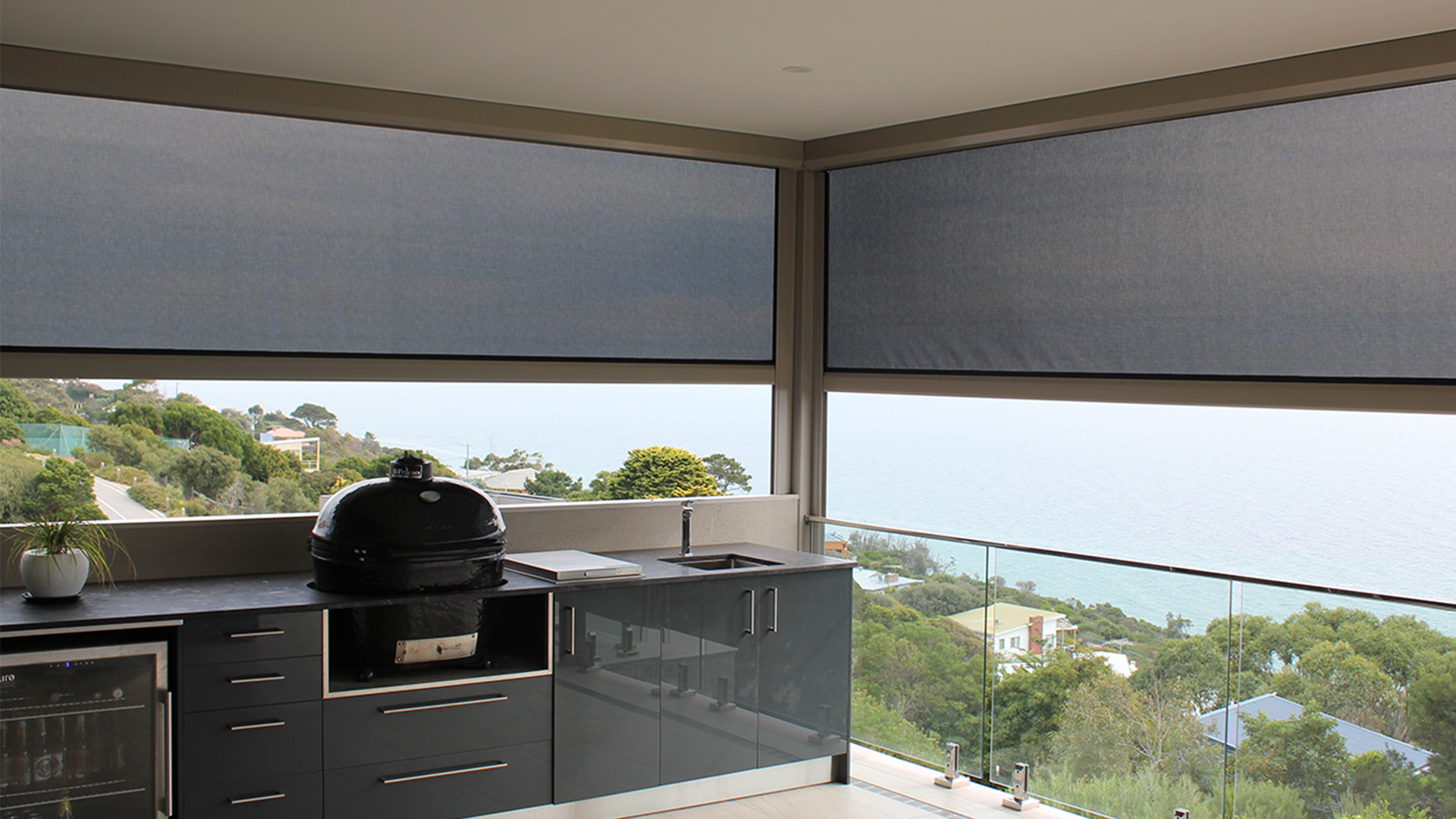
Standard blinds lift and flap in wind, gaps form at the sides, and UV and insects get through. Zip screen blinds use a track system on both sides of the blind, with the fabric edge zipping into the track as it moves. This creates a sealed perimeter, eliminating gaps and maintaining tension across the full surface even in wind.

The result is proper solar protection, not just partial shading, and genuine privacy control. You can see out through the screen mesh but views in are significantly reduced, particularly from outside looking into a lit interior.


Solar Protection and Heat Reduction: The Practical Numbers

UV protection is one of the primary reasons homeowners and businesses in Dubai invest in motorised outdoor blinds.

Quality zip screen fabrics block significant levels of solar radiation, in many cases 90% or more depending on the fabric openness factor you choose. This directly reduces heat build-up in the space behind the blind. For rooms adjacent to south-facing glazing or covered outdoor areas, the temperature difference with blinds deployed is genuinely significant.

From an energy efficiency standpoint, reducing solar heat gain means air conditioning works less hard. Over a Dubai summer, that’s a meaningful reduction in cooling costs, not a marginal one.


Motorisation: Why Manual Just Doesn’t Make Sense for Outdoor Blinds

For outdoor blinds in Dubai’s climate, motorisation isn’t a luxury feature. It’s genuinely practical.

Raising and lowering large outdoor blinds manually, particularly on a high-rise balcony or large patio, is physically awkward. More importantly, you want to be able to adjust blinds quickly when an unexpected wind picks up, when the sun angle changes, or when you want to open up the space without getting up.

Remote-controlled blinds solve this completely. Most modern systems offer remote control, smartphone app operation, and integration with smart home systems. You can set schedules so that blinds come down automatically when the morning sun reaches your terrace, raise in the evening as temperatures drop.

For outdoor living spaces, this level of convenience directly affects how often you actually use the space.


Smart Home Integration and Automated Blinds in Dubai

Smart blinds in Dubai are increasingly part of broader home automation systems.

Motorised zip screen blinds can be integrated with popular platforms including Google Home and Amazon Alexa. This means your blinds can respond to sun sensors, work as part of climate-based automations, or simply be controlled from a central home interface alongside lighting and air conditioning.

For new builds and recently renovated properties in Dubai, specifying motorised outdoor blinds as part of a smart home solution makes both practical and financial sense. For retrofitting, modern wireless motorised systems don’t require structural changes and integrate with existing platforms relatively easily.


Privacy Control in Dubai’s Dense Urban Environment

In many parts of Dubai, outdoor spaces sit much closer together than people realise. Whether you live in a villa community, a townhouse development, or an apartment with a balcony, it’s not uncommon to feel like your neighbours have a clear view of your outdoor area.

That’s one reason zip screens have become a popular addition to patios, pergolas, and outdoor seating areas. They help create a more private space without completely blocking natural light or airflow.

Many homeowners want a bit of privacy without turning their outdoor area into a closed room. They still want natural light, a view of the garden, and an open feel, just without feeling like they’re sitting in full view of nearby neighbours.

That’s where the choice of screen fabric makes a difference. Some options create a stronger visual barrier, while others feel lighter and more open. The best choice usually depends on how close neighbouring properties are and how you actually use the space day to day.


Are Zip Screen Blinds Suitable for Dubai’s Climate?

Dubai isn’t an easy environment for outdoor products. The sun is intense for much of the year, dust is part of daily life, and summer temperatures can be unforgiving.

After all, nobody wants to invest in an outdoor screen only to find it fading, sagging, or developing problems a year or two later. In a climate like Dubai’s, durability isn’t a bonus. It’s something homeowners expect from the start.

Maintenance of zip screen blinds is minimal as it just needs periodic cleaning of the fabric with water and a mild detergent, and occasional lubrication of track systems. Checking that zips are moving freely and fabric edges are properly seated keeps the system operating correctly over the long term.


Shade Pulse: Motorised Zip Screen Blinds in Dubai

Shade Pulse supplies and installs motorised zip screen blinds in Dubai for residential and commercial applications. From single balconies to large commercial terraces, our range covers different fabric specifications, motor options, and smart home integration capabilities.

Visit rmsdemo.com/projects/shadepulse/web/ to explore options and get expert advice for your specific space.


FAQs

Are motorised zip screen blinds suitable for outdoor areas?

A lot of homeowners ask this because outdoor conditions in Dubai can be harsh. It’s one thing for a blind to work indoors. It’s another for it to spend years exposed to sun, dust, and wind.

The good news is that zip screen blinds are designed specifically for outdoor use. The fabric is secured within side channels, so it stays in place far better than traditional outdoor blinds. That’s why you’ll often see them installed around patios, pergolas, balconies, and outdoor seating areas where regular blinds simply wouldn’t perform as well.


Can zip screen blinds connect to smart home systems?

If you’re already using smart lighting, climate control, or home automation, it’s natural to want your outdoor screens to work the same way. Most modern motorised zip screen systems can be integrated into broader smart home setups. That means you can control them from a phone, remote, wall switch, or central automation system. Some homeowners even schedule them to lower automatically during the hottest part of the day and retract later in the evening.


Do motorised blinds help reduce indoor heat?

They can, particularly if your home has large windows, sliding doors, or outdoor areas that receive direct afternoon sun. Think about what happens when sunlight hits glass for hours. The heat builds up and eventually affects the rooms inside. By creating shade before that sunlight reaches the glass, zip screens help reduce solar heat gain. Many homeowners notice that adjacent indoor spaces feel more comfortable during the hottest parts of the day, especially in summer.


How durable are zip screen blinds in Dubai’s climate?

Dubai’s weather can be tough on outdoor products. Constant UV exposure, high temperatures, dust, and seasonal winds will quickly expose weak materials or poor-quality installations. That’s why it’s worth paying attention to the quality of the system being installed. A well-built zip screen is intended to handle these conditions year after year without becoming a constant maintenance issue.


What maintenance do motorised blinds require?

Less than many people expect. For most homeowners, maintenance is largely about keeping the system clean. Dust and dirt naturally build up on outdoor surfaces, so occasional cleaning helps keep the fabric looking its best. It’s also worth checking the tracks from time to time to make sure debris hasn’t collected inside them.

Beyond that, there usually isn’t much to do. Most people spend far more time using their screens than maintaining them.

The Health Benefits of Zip Screens: UV Protection and Allergen Reduction

Modern zip screen blinds Dubai

Dubai’s outdoor spaces are genuinely beautiful. A well-designed terrace, a shaded pool deck, a pergola facing the evening breeze.

The problem is that for a large part of the year, actually using those spaces means dealing with intense UV exposure, fine dust, and the kind of airborne particles that leave allergy sufferers reaching for antihistamines.

Most people either stay indoors during the worst of it or put up with the discomfort. But there’s a third option that a lot of Dubai homeowners and businesses have moved toward: quality zip screens.

At Shade Pulse, we install motorized zip screen systems across Dubai and we hear the same thing from clients after installation. They expected shade. They didn’t expect how much better the space felt to actually be in.

Here’s why that happens.


What Makes Zip Screens Different from Standard Outdoor Blinds

Before getting into the health benefits, it’s worth understanding what a zip screen actually is and why it outperforms standard roller blinds or fixed awnings for this purpose.

A zip screen system uses a tensioned fabric that runs in channels on both sides of the opening. The zip track keeps the fabric under consistent tension and fully sealed along both edges, eliminating the gaps that standard outdoor blinds leave.

Those edge gaps matter a lot for both UV protection and allergen control. A standard blind with open sides still allows significant solar radiation and airborne particles to enter around the edges. A zip screen with sealed channels creates a genuine barrier.

Shade Pulse’s motorized zip screen systems combine this sealed-edge design with fabrics specifically rated for UV protection and particle filtration, and operation that’s simple enough that people actually use the screens consistently rather than leaving them rolled up.


UV Protection with Zip Screen: More Serious Than Most People Treat It

Dubai sits at roughly 25 degrees north latitude. UV Index readings in summer regularly hit 11 or above, which is classified as extreme.

Prolonged UV exposure at these levels increases the risk of sunburn, premature skin ageing, eye damage, and over time, skin cancer. Children are particularly vulnerable because their skin is thinner and they tend to spend more cumulative time outdoors during the day.

Quality zip screen fabrics block a significant proportion of UV radiation. High-performance outdoor screen fabrics used in Shade Pulse systems carry openness factors and UV protection ratings that block the large majority of solar UV before it reaches the people in the space.

This doesn’t mean you can abandon sunscreen entirely when sitting behind a zip screen. But it does mean the UV load on your family drops substantially, which matters most for the people spending extended time in shaded outdoor areas, children playing, families eating outside, elderly residents who enjoy outdoor time without wanting to retreat fully indoors.


Heat Reduction and Outdoor Comfort with Zip Screen

UV protection and heat reduction go together but aren’t the same thing.

Zip screens in Dubai reduce the solar heat gain in a covered outdoor space significantly. By blocking direct solar radiation before it enters the space, the ambient temperature under a pergola or on a covered terrace drops noticeably compared to an unscreened space.

The practical result is that outdoor spaces become genuinely usable for more hours of the day and more months of the year. Morning and evening outdoor time in summer becomes comfortable rather than something you rush through.

This is one of the most consistently reported benefits from Shade Pulse clients after installation. The space gets used more. Which is, ultimately, the point.


Allergen Reduction with Zip Screens: The Benefit People Don’t Expect

Dubai’s air quality presents specific allergen challenges that aren’t always obvious to residents who haven’t thought about them carefully.

Fine dust and sand particles

Dust events and general ambient particulate levels in Dubai are significantly higher than in most European or North American cities. For anyone with respiratory sensitivities, asthma, or dust allergies, airborne particulate is a real quality-of-life issue outdoors.

Pollen

Dubai’s landscaping includes many ornamental plants that produce pollen. While the season is less pronounced than in temperate climates, pollen counts in certain periods are high enough to affect sensitive individuals.

Airborne debris

Construction activity across Dubai generates fine particulate that circulates in the atmosphere and settles on outdoor surfaces continuously.

A properly sealed zip screen system significantly reduces the volume of all of these particles entering your outdoor living space. The tight-weave fabrics used in quality outdoor screens act as a filter for larger particles while still allowing airflow.

For families with young children, elderly members, or anyone with respiratory sensitivities, this is a meaningful health benefit that comes alongside the UV protection and comfort advantages.


Insect Protection with Zip Screen: A Practical Benefit Worth Mentioning

Evening outdoor living in Dubai is frequently disrupted by insects, particularly in areas near landscaped gardens or water features.

Shade Pulse zip screens with fine-mesh fabric options provide a physical barrier against insects without blocking the view or the breeze in the way solid walls or screens would. Combined with the dust and allergen filtering benefit, a fine-mesh zip screen makes evening outdoor spaces substantially more pleasant for the entire family.


Motorized Zip Screen Systems Make the Difference in Actual Usage

A zip screen you have to manually adjust is a zip screen that often doesn’t get adjusted. In Dubai’s conditions, where the need to deploy the screen can change quickly with wind direction, sun angle, or a dust event, motorization is what makes the system genuinely functional.

Shade Pulse’s motorized zip screen systems can be operated by remote, wall switch, or smart home integration. Some systems include automatic sensors that deploy the screen when UV or wind levels reach set thresholds.

The practical benefit is that your family actually gets the UV protection and allergen reduction benefits consistently, not just on the days someone remembers to manually lower the screen.


FAQs

Do zip screens actually block UV radiation in Dubai’s climate?

Yes. Quality zip screen fabrics used in systems like those installed by Shade Pulse are specifically rated for UV protection and block a significant proportion of solar UV radiation. Dubai’s UV Index regularly reaches extreme levels, particularly in summer, and proper zip screens reduce the UV load on people in shaded outdoor spaces substantially. They work best as part of a broader sun protection approach alongside appropriate clothing and sunscreen for extended outdoor exposure.

Can zip screens help reduce allergen exposure in outdoor spaces?

Yes. The sealed-edge design of a zip screen system reduces the entry of airborne particles including fine dust, sand, and pollen into covered outdoor spaces. Dubai’s ambient particulate levels are high compared to many other cities, and for family members with respiratory sensitivities, asthma, or dust allergies, a quality zip screen makes a noticeable difference to outdoor comfort. Fine-mesh fabric options provide additional particle filtration while still allowing airflow.

Does Shade Pulse offer motorized zip screens in Dubai?

Yes. Shade Pulse offers and installs motorized zip screen systems for residential and commercial outdoor spaces across Dubai. Our systems use high-performance UV-protective and particle-filtering fabrics, run in sealed zip track channels for full edge coverage, and are available with remote control, wall switch, and smart home integration. We work with clients to specify the right fabric and system for their specific space, sun orientation, and usage requirements.

Zip Screen Blinds in Dubai: The Ultimate Outdoor Shading Solution

Outdoor zip screen blinds UAE

Anyone who has tried to spend time on a Dubai patio or balcony in summer knows the problem.

The sun is intense. The heat reflects off every hard surface. Even in the shade, the glare gets through. And without proper protection, the outdoor space that looked great on the apartment listing is essentially unusable for most of the year.

Zip screen blinds in Dubai are the most effective solution for this problem. Not the only one, but the one that handles all the variables at once: sun, heat, glare, wind, and privacy.

Here’s what this blog covers:

  • What zip screen blinds actually are and how they work
  • Why they outperform standard outdoor blinds in Dubai conditions
  • The specific features that matter for Dubai’s climate
  • Where they work best (balconies, pergolas, restaurants, villas)
  • What Shade Pulse offers for Dubai customers


What Zip Screen Blinds Actually Are

Zip screen blinds are a specific type of outdoor blind where the screen fabric runs in a track system on both sides. The “zip” refers to the way the fabric edges interlock with the track using a zip mechanism.

This design difference from standard roller blinds is what makes zip screens particularly effective outdoors. Because the fabric is locked into the track on each side, there are no gaps. Wind can’t get under the blind and billow it outward. The screen stays flat and taut even in strong breeze conditions.

Most outdoor zip screens use a strong mesh-style fabric that helps keep the heat and glare down while still letting air pass through. Some fabrics are more open, while others are tighter woven, so the amount of privacy and sun protection can vary depending on the option you choose.

In Dubai, most people go for motorized zip screens because they’re simply more convenient. You can raise or lower them with a remote, a wall switch, or connect them to your smart home setup and control everything automatically.


Why Standard Outdoor Blinds Fall Short in Dubai

Dubai’s outdoor environment is demanding. Standard blinds that work adequately in milder climates don’t perform the same way here.

Dubai experiences frequent wind events, particularly during the spring and summer months. Standard roller blinds without a track system catch wind and either blow dramatically inward, get damaged, or need to be rolled up to prevent damage. Zip screens stay in position because the fabric is secured in the side tracks.

The radiant heat from direct Dubai sun is extreme. A blind that only provides shade but doesn’t block radiant heat doesn’t solve the problem. Quality outdoor zip screen fabric is rated for solar heat reduction, typically blocking 80 to 95 percent of solar radiation depending on the fabric specification.

Extended UV exposure damages furniture, flooring, and any surface material left outdoors. UV protection for outdoor areas is a practical need, not just a comfort consideration. Zip screen fabrics typically carry high UV protection ratings.

Materials that aren’t rated for outdoor use in this climate degrade quickly. Discoloration, warping of mechanisms, and fabric breakdown are common with substandard outdoor blinds in Dubai’s conditions.

Weather-resistant outdoor blinds that are specifically designed for the region’s demands perform correctly and last.


The Features That Make Zip Screen Blinds Work for Dubai Conditions

Outdoor heat reduction comes from the combination of several elements working together in a quality zip screen installation.

Fabric specification – The fabric openness factor determines how much air and light passes through while blocking heat. A tighter weave blocks more heat and glare but reduces visibility. An open weave maintains more of the view but allows more heat through. Choosing the right balance for the space and orientation matters.

UV-resistant components – The tracks, housing, motor, and all hardware should be rated for UV and heat exposure. Aluminum alloy tracks with powder coating handle Dubai’s climate well. Plastic components degrade quickly in direct sun.

Motorization quality – Motorized zip screen systems in Dubai need motors rated for high-temperature operation. A motor that overheats after summer use isn’t a quality product.

Side track sealing – The tighter the fit of the zip mechanism in the side track, the better the wind and gap control. Quality installations minimize light gaps at the edges.

Installation anchoring – The housing and tracks must be properly anchored to the structure. Loose installation creates noise, movement, and potential damage under wind load.


Where Zip Screen Blinds in Dubai Deliver the Most Value

Balconies in apartment buildings

Dubai’s residential towers typically have outdoor balconies that face varying sun exposures. A motorized zip screen makes the balcony usable throughout the day by blocking direct sun and reducing ambient heat. Evening use becomes more comfortable too.

Pergolas and covered outdoor areas in villas

Villa gardens and pergola structures benefit from zip screens on the open sides. This creates an enclosed, comfortable outdoor living space that’s protected from wind and sun.

Restaurants and cafes with outdoor seating

Commercial outdoor dining in Dubai is limited during summer without effective shading. Patio shading solutions in Dubai that use motorized zip screens make outdoor F&B spaces viable for a significantly longer season.

Pool areas

Privacy screen blinds in Dubai around pool decks give residents both protection from sun and privacy from neighboring properties.


Privacy and Comfort: The Dual Function of Zip Screens

Zip screens address two separate but related needs simultaneously.

The solar and heat reduction function makes outdoor spaces physically comfortable. The privacy function makes them more usable without the feeling of being overlooked.

In Dubai’s high-density residential areas, balconies and outdoor areas are often in close proximity to other units or overlooked by adjacent buildings. A zip screen fabric with appropriate opacity provides meaningful privacy without blocking light and airflow completely.

This dual function is why zip screen blinds in Dubai are a popular choice for both residential and commercial applications. The outdoor space becomes genuinely usable and genuinely private.


What Shade Pulse Offers for Zip Screen Installations in Dubai

At Shade Pulse, we supply and install zip screen blinds in Dubai for residential and commercial clients across the city.

We assess each space before recommending a specification. Sun orientation, wind exposure, privacy requirements, and the structural conditions for mounting all affect the right solution. We don't offer a generic product and assume it fits every situation.

Our motorized zip screen systems use quality motors, aluminum tracking systems, and technical outdoor fabrics rated for Dubai's climate demands. We install properly and we support the installation with appropriate after-sales service.

Whether the project is a single apartment balcony, a villa pergola, or a full commercial outdoor dining setup, we have the solution and the experience to install it correctly.

Visit rmsdemo.com/projects/shadepulse/web/ to learn more or get a consultation.


Final Thoughts

Zip screen blinds in Dubai solve the outdoor living problem that most standard shading products can’t fully address.

Wind-resistant, heat-reducing, UV-protective, and privacy-providing. Motorized for convenience and designed for Dubai’s specific climate conditions.

At Shade Pulse, we make outdoor spaces genuinely usable. That’s what the right zip screen installation delivers.


FAQs

Q: Can zip screen blinds in Dubai be added to an existing balcony without major construction work?
Most of the time, yes. Zip screens are usually fitted onto the balcony that’s already there, so in many cases there’s no major construction involved. They can be fixed onto ceilings, side beams, or concrete areas depending on the balcony setup. Every balcony is a bit different though, so Shade Pulse normally checks the space first and then suggests the best way to install the screens.

Q: What kind of maintenance do motorized zip screen systems need?
They’re fairly low maintenance. Cleaning the fabric occasionally with water and a mild detergent helps keep it in good condition. It’s also a good idea to clear dust or debris from the side tracks from time to time. If the screens start moving less smoothly, a light track lubrication usually fixes it. The motor itself generally doesn’t need much attention with regular use. Shade Pulse also shares care instructions after installation.

Q: Can I choose different colors and fabric types for zip screen blinds in Dubai?
Yes, there are quite a few options. Some fabrics block more sun and make the space feel more private, while some let you keep more of the outside view. People usually choose based on how hot the balcony gets during the day and how much privacy they want. There are different colors too, so it can match the space instead of standing out too much. Shade Pulse can show fabric samples before installation so it’s easier to decide.

Blocking Out Glare on Your Outdoor TV: The Zip Screen Solution

Zip Screen Solution

Outdoor TV glare is one of those problems that feels simple to solve until you actually try to solve it. Repositioning the screen is rarely practical. Watching at certain times of day means timing your entertainment around the sun. And the standard approach, just tolerating it, gets old quickly. An outdoor zip screen solution is an effective answer to this problem. This guide explains how it works, why it works, and what to look for if you are ready to actually fix the glare issue.

Here is what we will cover:

  • Why outdoor TV glare is harder to eliminate than it seems
  • What a zip screen actually is
  • How zip screens reduce glare specifically
  • Heat reduction and comfort benefits
  • Privacy and wind protection as secondary advantages
  • Motorization and control options
  • Integration with existing outdoor spaces
  • How Shade Pulse approaches outdoor screen solutions in Dubai


Why Outdoor TV Glare Is Harder to Eliminate Than It Seems

The sun moves throughout the day and through seasons. A position that avoids glare at 10am may be unusable at 4pm. An orientation that works in winter provides a completely different light angle in summer.

This is why simple solutions, repositioning the TV, adding a hood above it, changing your viewing angle, rarely solve the problem completely. They address one position of the sun but not the full range of conditions you will actually encounter.

Outdoor glare reduction that actually works needs to manage the full range of light conditions that affect the viewing surface, not just a single moment in the day.


What is a Zip Screen Actually?

A zip screen is a type of exterior roller blind in which the screen fabric is guided into channels on either side of the installation. The “zip” refers to the mechanism by which the fabric edges are captured in those channels.

This guided edge system means the fabric stays taut, stays flat, and stays in position regardless of wind. Unlike standard roller blinds or shade sails, a zip screen outdoor installation maintains its position and shape under the kind of wind conditions common in Dubai.

The screen fabric itself can be specified in different openness factors, ranging from very open weave that allows significant light and air through to near-opaque options that dramatically reduce light transmission.

For outdoor TV glare reduction, mid-range openness factors typically work best: they reduce glare and solar heat without eliminating the ability to see the screen when the sun is not directly problematic.


How Zip Screens Reduce Glare Specifically

Glare on an outdoor TV screen is caused by reflected light. Direct sunlight or bright sky light hitting the screen surface at an angle creates a bright reflection that overwhelms the screen’s image.

A zip screen placed between the sun and the viewing area reduces the intensity of the light reaching the screen. Even a fabric with a relatively open weave significantly reduces the direct radiation that causes glare, while maintaining enough light transmission that the space does not feel closed or enclosed.

The key is positioning. Outdoor TV shade solutions using zip screens work best when the screen is positioned to intercept the light from the direction of the sun’s most problematic angles for your specific space. A site assessment that considers the sun’s path across your outdoor area during the times you use it most helps ensure the screen is positioned effectively.


Heat Reduction and Comfort Benefits of Zip Screens

Blocking glare on your outdoor TV is a secondary benefit of zip screens in the context of their broader function. The primary effect is blocking solar radiation, which reduces both glare and heat.

Heat reduction screens in Dubai are a genuine quality-of-life improvement for outdoor spaces. The temperature differential between a shaded outdoor area with a zip screen and an unshaded area in Dubai’s summer is significant.

A well-positioned zip screen can reduce the radiant heat load on an outdoor entertainment area enough to make it comfortably usable at times when an unscreened space would be too hot to enjoy.

For an outdoor television setup, that matters: it is not just about whether you can see the screen, it is about whether the space is actually comfortable enough to sit in during the hours you want to watch.


Privacy and Wind Protection Are Secondary Advantages of Zip Screens

Zip screen blinds in Dubai provide benefits beyond glare and heat reduction.

Privacy. From outside the screen, the interior of the outdoor space is either obscured or made less visible depending on the fabric’s openness factor. For ground-level terraces or pools that face nearby properties or roads, this privacy function is often independently valuable.

Wind protection. The guided channel system that makes zip screens wind-resistant also makes them effective wind protection for the outdoor space they enclose. A patio that is uncomfortably exposed to wind is significantly more usable when a zip screen is installed on the windward side.

Rain protection. While not waterproof, closed zip screens significantly reduce the amount of wind-driven rain that reaches the space behind them. For light rain events, the screen can keep the furniture and entertainment area usable.


Motorization and Control Options in Zip Screens

Motorized zip screens are the standard specification for Dubai properties where convenience and smart home integration are expected features.

Motorized options include:

  • Remote control operation for individual screens
  • Grouped control that operates all screens in a space simultaneously
  • Smart home integration via compatible control systems (including home automation platforms and voice control)
  • Wind sensor integration that automatically retracts screens when wind speeds exceed a safe operating threshold

For outdoor living comfort in Dubai, the ability to adjust screens quickly in response to changing sun position or wind conditions is practically important. A manually operated screen that requires physical adjustment is less likely to be used than one that responds to a single button press.


Zip Screen Fabric Selection for Outdoor TV Applications

The fabric specification matters for outdoor TV viewing. The key variable is openness factor, the percentage of the fabric area that is open weave versus solid material.

  • High openness factors (10%+) allow more light through, providing less glare reduction but more visual connection with the outside
  • Mid-range openness factors (3% to 6%) provide meaningful glare reduction while maintaining a sense of outdoor connection
  • Low openness factors (1% to 2%) provide maximum heat and glare reduction but create a more enclosed feel

For outdoor TV applications, a mid-range openness factor is typically the right balance. The fabric reduces glare enough to make the screen viewable, reduces heat enough to make the space comfortable, but does not create the feeling of being inside.

Colour also matters. Darker fabrics provide more contrast from the interior, which improves screen visibility. Lighter fabrics are more reflective to the exterior, which can improve privacy.


Integration of Zip Screens with Existing Outdoor Spaces

Outdoor privacy screens using zip systems integrate with a wide range of existing outdoor structures. They can be:

  • Integrated into an existing pergola frame
  • Mounted to existing building walls and overhead structures
  • Installed as freestanding framed systems where no existing structure provides mounting points
  • Combined with aluminum pergola systems as a complete outdoor room solution

For spaces that already have a pergola or shade structure, adding zip screens on the open sides creates a fully enclosed outdoor room that is functional across a much wider range of conditions than an open pergola alone.


How Shade Pulse Approaches Outdoor Zip Screen Solutions in Dubai

Shade Pulse installs zip screen outdoor systems for residential and commercial properties in Dubai. Their approach covers site assessment, fabric and openness factor selection, motorization specification, and installation by experienced teams who understand the demands of Dubai’s outdoor environment.

For homeowners, venue operators, and designers who want to address outdoor TV glare specifically or improve the overall usability of an outdoor entertainment space, their team can advise on the configuration that delivers the right outcome for your specific situation.

Shading solutions in Dubai that are properly specified and installed make a real, daily difference in how you use your outdoor spaces. That is the straightforward case for doing it properly.


FAQs

Will a zip screen eliminate all glare on an outdoor TV, or just reduce it?

A zip screen significantly reduces glare by cutting the intensity of direct solar radiation reaching the screen surface. For most outdoor TV viewing situations, the reduction is enough to make the screen comfortably viewable. Complete glare elimination depends on the screen’s position relative to the sun, the fabric’s openness factor, and the brightness of the screen itself.

Can zip screens be retracted when not needed?

Yes. Zip screens roll up into a compact cassette housing at the top of the installation when not in use. This allows you to use the space fully open when conditions do not require the screen, and deploy it when glare, heat, wind, or privacy make it useful. Motorized systems make this transition quick and effortless.

How are zip screens cleaned and maintained in Dubai’s dusty environment?

Regular cleaning with a soft brush or cloth to remove dust, followed by gentle washing with mild soapy water, keeps zip screen fabrics in good condition. Dubai’s occasional dust storms do deposit grit on fabrics, and removing it promptly prevents abrasion damage over time. The mechanical components (motor, channels, and cassette) should be inspected annually and the channels cleared of debris that could affect smooth operation.

Zip Screens for Restaurants & Cafes: Enhancing Outdoor Dining Experiences

Weather resistant zip blinds UAE

Outdoor seating is some of the most valuable real estate a restaurant or cafe can have. Guests want it. They choose venues partly based on whether outdoor dining is available and how comfortable it is. But in the UAE, outdoor seating has a short natural window. The heat, the wind, the dust, and the occasional sandstorm conspire to make outdoor dining uncomfortable for months at a time. Zip screens for restaurants and cafes are changing that equation.

Zip screens give restaurant and café owners the ability to extend outdoor seating into more months of the year, control the environment inside the screened area, and create a defined, comfortable space that guests actively enjoy rather than just tolerate.

In this guide, we will cover:

  • What zip screens are and how they work
  • The specific benefits for F&B operators in the UAE
  • How zip screens compare to other outdoor dining shade solutions
  • What to consider when specifying a system for your venue
  • How ShadePulse supports hospitality operators across the UAE


What Are Zip Screens and How Do They Work?

A zip screen is a retractable screen system where the fabric is held in channel guides on both sides, like a zip running vertically. This guided edge system prevents the screen from billowing inward or flapping in the wind, which is the key problem with free-hanging curtains or simple drop-down screens.

When closed, a zip screen creates a taut, sealed barrier that blocks wind, reduces direct sunlight and heat, and significantly improves the thermal comfort of the space behind it.

Zip screen blinds can be operated manually with a strap or crank, or motorized for ease of use. In commercial hospitality environments, motorized operation is usually the practical choice. Staff can adjust multiple screens quickly at the start and end of service or in response to changing conditions.

The fabric options include transparent or semi-transparent mesh that maintains views and lets in light while blocking wind and reducing solar heat gain, or solid fabrics for maximum privacy and heat reduction.


Why UAE Restaurants and Cafes Need Zip Screens

In most temperate climates, outdoor dining is limited by rain and cold. In the UAE, the challenges are different.

Heat: Summer temperatures regularly exceed 40°C. Direct solar heat gain and radiated heat from surrounding surfaces make outdoor seating genuinely dangerous during peak summer months. Zip screens combined with overhead shading can reduce the perceived temperature inside a screened area by several degrees, making spaces usable for more of the year.

Wind and dust: The UAE experiences regular episodes of strong, dust-laden wind. Wind makes outdoor dining uncomfortable in ways that go beyond discomfort. Menus blow off tables. Drinks get contaminated. Food presentation suffers. A zip screen system on the windward side of an outdoor terrace addresses all of this simultaneously.

Privacy and ambiance: A properly designed zip screen system creates a defined, enclosed feel to an outdoor space without making it feel like an indoor room. Guests feel sheltered without feeling boxed in, particularly when semi-transparent mesh fabrics are used.

Noise reduction: In busy urban or street-facing locations, zip screens provide a meaningful degree of noise reduction from traffic and street activity. This improves the dining atmosphere considerably.


The Revenue Case for Zip Screens

This is the argument that tends to land with operators more than any other. An outdoor terrace that is usable for ten months of the year generates significantly more revenue than one that is comfortable for four. Zip screens that allow you to use your outdoor seating in shoulder seasons, evenings, and periods of moderate wind represent additional covers that require no additional rent or floor space.

They also allow operators to keep outdoor seating open when conditions deteriorate during a service, rather than moving guests inside and losing cover numbers.

In the UAE hospitality market, where margins are tight and competition for guests is constant, any investment that extends usable outdoor seating time and improves the guest experience has a clear return.


Zip Screens vs. Other Outdoor Dining Shade Solutions

Zip screens vs. fixed glass enclosures

Glass enclosures offer excellent wind and dust protection, but they create a fully enclosed indoor-feeling space. They require more structural support, are significantly more expensive, and cannot be opened to create a genuine outdoor feel when conditions are good. Zip screens offer flexibility that glass does not.

Zip screens vs. retractable awnings

Awnings provide overhead shade but no lateral wind or dust protection. They are also more vulnerable to wind damage because they cannot be tensioned into guides. For comprehensive environmental control, zip screens complement awnings but do not serve the same function alone.

Zip screens vs. café curtains or drape systems

Free-hanging fabric systems flap in the wind, do not create a proper seal, and are generally not suitable for commercial use in the UAE climate. Zip screens, with their tensioned guide system, behave completely differently and maintain their shape and seal under the wind conditions that typically affect UAE outdoor dining spaces.


What to Consider When Specifying Zip Screens for Your Venue

Coverage area and orientation

Identify which sides of your terrace need screening. The windward sides usually need the most attention. Overhead coverage through existing umbrellas or a pergola combined with zip screens on the sides creates the most controlled environment.

Fabric choice

Semi-transparent mesh is the most popular choice for UAE restaurants and cafes. It allows guests to maintain a visual connection to the outside, keeps the space feeling open, and still blocks wind effectively. It also allows natural light in, which is important during daytime service.

Solid fabrics give maximum privacy and heat reduction but create a more enclosed atmosphere.

Motorization

For commercial venues with multiple screens, motorized operation is nearly always the right choice. Staff can adjust all screens quickly, and systems can be integrated with timers or sensors to automate operation based on time of day or wind speed.

Branding integration

Zip screens can be produced in custom colors and, in some configurations, with printed branding elements. This is worth exploring at the specification stage if brand consistency across your outdoor space matters to your concept.

Structural integration

Zip screen systems need to be anchored to suitable structural elements, whether that is the building facade, a pergola frame, or purpose-built posts. The installation must be able to handle the tension loads and wind forces that the screens will experience. A proper structural assessment is part of the installation process for any reputable supplier.


Restaurant Terrace Screening in the UAE: Seasonal Planning

Many UAE operators think about zip screens for restaurants and cafes in the context of their hottest months. But the value extends through the year.

In the cooler months from October to April, UAE evenings can drop to temperatures that feel cool with any wind chill. Zip screens on one or two sides of a terrace make evening outdoor dining comfortable even when the temperature drops.

During the peak summer months, zip screens in conjunction with misting systems and overhead shade can make previously unusable outdoor spaces workable for lunch service in air-conditioned comfort.

Year-round thinking, rather than reactive problem-solving, gives operators the most from their outdoor space investment.


How ShadePulse Works with UAE Hospitality Operators

ShadePulse supplies and installs zip screens in the UAE for restaurants, cafes, hotels, and commercial properties. Their team works with operators from site assessment through to installation, including fabric selection, structural requirements, and motorization options.

For venues that want to make the most of their outdoor seating and protect that revenue stream year-round, a zip screen consultation is a practical starting point.

Visit rmsdemo.com/projects/shadepulse/web/ to discuss your venue's requirements and see what is possible for your outdoor space.


Frequently Asked Questions

Q: How long does a zip screen installation typically take for a restaurant terrace?

For a standard terrace with three to six panels, the actual installation is usually done within a day or two once the screens have been made. Fabrication, from site measure to delivery, typically runs two to four weeks depending on the supplier and how complex the job is. If you’re working around a renovation or a new opening, building that lead time into your schedule early saves a lot of last-minute stress. Most installations can also be timed around your quieter periods to keep disruption to a minimum.

Q: Can zip screens handle the strong winds that occur during UAE dust storms?

Yes, but only quality commercial zip screens are engineered to handle significant wind loads, and the guided edge system keeps the fabric taut and controlled rather than allowing it to flap. However, no retractable screen system is designed for extreme storm conditions. Most commercial systems should be retracted when sustained winds exceed the manufacturer’s specified wind speed rating. Motorized systems with integrated wind sensors can automate this retraction, which is a useful feature for venues where staff may not always be monitoring conditions actively.

Q: Are there zip screen options that provide both shade and insect protection for outdoor dining?

Yes. Some zip screen mesh fabrics are available in finer weaves that provide a meaningful degree of insect exclusion while still allowing air circulation and maintaining visibility. This is particularly useful for venues near waterways or greenery where insects are a concern during evening service. Specify this requirement at the quotation stage as not all standard mesh fabrics provide adequate insect protection without a reduction in airflow that may not suit your space.

Motorized Zip Screens: Effortless Control for Your Outdoor Comfort

Motorized Zip Screens

Look, we’ll be straight with you. We’ve been working with Motorized Zip Screens for a while now, and the difference they make is pretty significant. If you’ve got a patio, balcony, or pergola that you’re not using as much as you’d like, these screens might be exactly what you need.

Let us break down what actually changes when you install motorized zip screens.

The weather thing – it’s not just about rain

Most people think outdoor screens are just for keeping rain out. That’s part of it, but the real game-changer is dealing with everything else:

  • Wind – Even a light breeze can mess up your evening if you’re trying to have dinner outside or read a book. The screens block wind without making the space feel completely closed off.
  • Sun and glare – This is huge. That afternoon sun that makes your patio unusable? Gone. You can actually sit outside at 3 PM without squinting or sweating.
  • Temperature control – The screens create a buffer zone. It’s not like air conditioning, but it does keep things noticeably cooler in summer and can hold some warmth during cooler evenings.

Why Motorized Zip Screens are better than regular curtains or blinds

Here’s where motorized zip screens get practical. Regular outdoor curtains flap around in the wind, get dirty fast, and you’re constantly adjusting them. Motorized Zip Screens stay in place because they’re held tight in side tracks – that “zip” track system keeps everything secure.

The motorized part means you’re not wrestling with anything. Hit a button, and they come down. Hit it again, they go up. Simple as that. When you have friends over and the sun shifts, you don’t have to interrupt the conversation to fiddle with your screens.

Privacy without feeling boxed in

When you live in an apartment or have neighbors close by, sitting on your balcony can feel a bit exposed. The screens give you privacy without making your outdoor area feel like a cave. You can still see out (depending on the fabric you choose), but people can’t easily see in.

Bugs – the obvious benefit everyone forgets to mention

If you go with mesh screens, mosquitoes and other insects stay out. You can leave your door open, enjoy the fresh air, and not worry about getting eaten alive. It sounds simple, but this alone makes summer evenings so much better.

The flexibility factor of Motorized Zip Screens

What I really like about Motorized Zip Screens is that you control exactly how your space feels. Want full sun? Screens go up. Need shade? Bring them halfway down. Want complete privacy and wind protection? All the way down.

You’re not stuck with one setup. Your outdoor space can change based on what you need that day – which is honestly what makes it actually usable instead of just nice to look at.

Comfort That Comes with Using Motorized Zip Screens

At the end of the day, comfort means you actually want to spend time outside. Before these screens, how many times did you think about using your patio but didn’t because it was too hot, too bright, too windy, or you’d get bug bites?

Motorized Zip Screens fix those problems without much effort on your part. You make your outdoor area comfortable enough that you’ll use it regularly – for morning coffee, working from home, evening drinks, or just hanging out.

That’s the real value. It’s not about adding something fancy to your home. It’s about making a space you already have actually work for you.

Privacy Without Compromise: Daytime Privacy Solutions with Zip Screens

Zipper blinds Dubai UAE

Outdoor spaces in Dubai need privacy, but balconies and patios face other buildings. People want to relax outside without neighbors watching them. This creates a problem.

Many residents block their views with curtains, and this makes the rooms dark. Others use bamboo screens that break in the wind. Zip screens solve both problems at once.

What Makes Zip Screens Different?

Zip screen blinds use a track system. The fabric stays tight between two metal rails. A zipper mechanism holds everything in place. This stops gaps and flapping.

The fabric blocks the outside view but allows the inside view. Natural light still enters the space. People get privacy during the day without losing brightness. This works like tinted car windows.

Why Privacy Matters in Dubai Living?

People want to use their balconies for breakfast or yoga. Feeling watched makes this uncomfortable. Privacy screens fix this issue without closing off the space completely.

Regular curtains collect dust quickly in Dubai’s climate. Bamboo screens look nice, but break in strong winds. Zipper blinds stay stable and clean longer than both options.

Beyond Just Privacy

Zip screens block heat along with the view. Terraces become unusable during midday sun. Zip screens make outdoor spaces comfortable even at 2 PM.

The fabric stops UV rays and reduces temperature. Air still flows through the material. Spaces stay naturally cooler. This means less air conditioning use and lower electricity bills each month.

Dust protection matters in Dubai. Sand gets everywhere. These screens act as barriers. Outdoor furniture stays cleaner. Cleaning becomes less frequent and easier.

Perfect for Different Spaces

Cafes and restaurants use external blinds for outdoor seating. Customers want shade without losing the outdoor experience. Home balconies need the same solution. Small apartment balconies or large villa terraces both work with zip screens.

The screens come in different fabrics and colors. Buyers choose between manual and motorized operation. Options fit different budgets and needs. Window treatments for outdoor areas must handle tough conditions. Strong sun, rain, wind, and dust all affect outdoor blinds. Zip screens are built for these challenges.

Installation and Daily Use of Zip Screens

Professional installation ensures proper setup. Tracks must align perfectly for smooth operation. Once installed, daily use stays simple. Pull screens down for privacy or shade. Roll them up for full openness.

Maintenance requires minimal effort. Clean the fabric occasionally with mild soap and water. The zip system protects mechanical parts from debris. Parts rarely need attention or repair.

Making the Right Choice

Compromising between privacy and outdoor enjoyment ends with zip screens. The solution works without complications. Privacy comes without losing light. Shade arrives without blocking airflow.

Protection from dust and heat happens automatically. The outdoor area stays open and comfortable. Dubai’s climate and urban density require smart solutions. Zip screens deliver exactly what outdoor living needs.

Conclusion

Zip screens make outdoor spaces usable year-round. People enjoy their balconies and patios properly. Privacy, comfort, and natural light all work together. The result creates better outdoor living in Dubai’s unique environment.