

When Is Tooth Extraction Necessary in a Dental Emergency?
18/05/2026
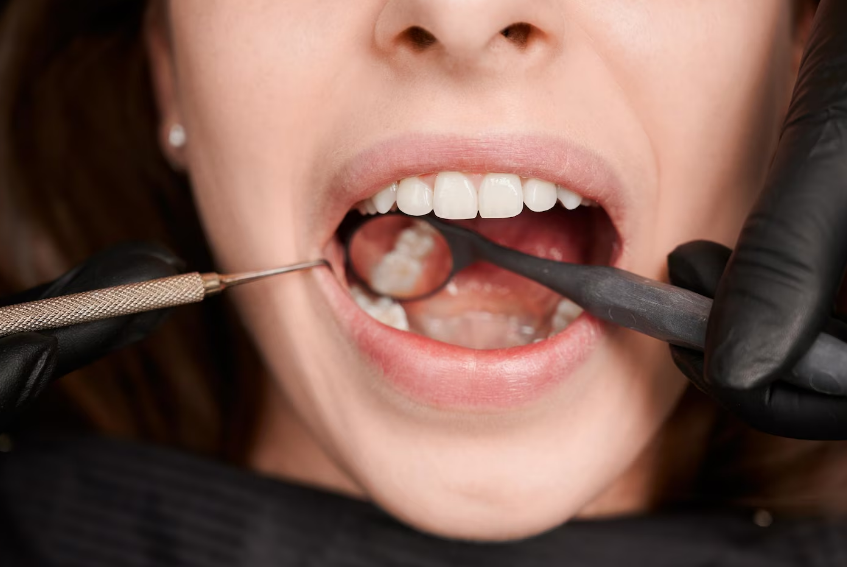
Getting a tooth removed can feel scary, especially if it is your first time. Many people feel nervous before the visit. That is normal. The good news is that dentists follow a simple and safe process. When you know what will happen, you feel more calm and prepared.
This guide explains the tooth extraction process step by step in very simple words. It will help you understand what to expect before, during, and after the treatment.
Tooth extraction means removing a tooth from your mouth. Dentists do this when a tooth is too damaged to fix. They may also remove a tooth if there is an infection, crowding, or pain.
Some common reasons include:
Sometimes, pain becomes very strong and does not go away. Many patients say that tooth pain gets worse at night, which is often a sign that you should see a dentist soon.
First, the dentist checks your tooth and gums. They may take an X-ray to see the exact position of the tooth.
This step helps the dentist:
The dentist will also ask about your health history. Always share details about any medicines or medical conditions.
Before removing the tooth, the dentist makes sure you do not feel pain.
They use local anesthesia to numb the area around the tooth. You may feel a small pinch during the injection, but it lasts only a few seconds.
After that, your mouth feels numb. You stay awake, but you do not feel pain during the procedure.
Once the area is numb, the dentist gently loosens the tooth.
They use a special tool to move the tooth back and forth. This helps separate the tooth from the surrounding bone and tissue.
You may feel pressure, but you will not feel pain.
After loosening, the dentist removes the tooth carefully.
There are two types of extraction:
The dentist removes the tooth easily because it is visible in the mouth.
The dentist may make a small cut in the gum if the tooth is not easy to reach. This is common for wisdom teeth.
Both methods are safe and done with care.
After removing the tooth, the dentist cleans the empty space.
This step helps prevent infection. In some cases, the dentist may place stitches to close the gum.
The dentist places a piece of gauze on the area. You need to bite down on it gently.
This helps:
The blood clot is very important. It protects the bone and nerves under the gum.
After the procedure, the dentist gives simple instructions to help you heal faster.
Follow these tips:
Healing usually takes a few days to a week.
Sometimes, the blood clot can come out too early. This condition is called dry socket.
It can cause:
You can avoid dry socket by following your dentist’s instructions carefully.
Food plays an important role in healing.
Eat:
Avoid:
Slowly return to your normal diet as you heal.
Call your dentist if you notice:
These signs may need quick attention.
After extraction, your dentist may suggest replacing the missing tooth.
Options include:
Replacing a tooth helps:
If you are looking for safe and gentle care, Western Piedmont Dental can help.
We provide:
If you need tooth extraction in Connelly Springs, NC, our team ensures a smooth and stress-free experience.
We also offer expert care for tooth extraction in Rutherford College, NC, helping patients feel relaxed and well-informed at every step.
Tooth extraction may sound scary, but it is a simple and common procedure. Dentists follow a clear step-by-step process to keep you safe and comfortable.
When you understand what will happen, your fear becomes smaller. With proper care and aftercare, healing becomes quick and smooth.
If you feel pain or discomfort, do not wait too long. Early treatment always helps you avoid bigger problems.
Is tooth extraction painful?
No, the dentist uses anesthesia to numb the area. You may feel pressure, but you will not feel pain during the procedure.
How long does it take to heal after tooth extraction?
Most people heal in a few days to one week. Full healing may take a little longer depending on the case.
Can I go back to work after tooth extraction?
Yes, but it is best to rest for at least one day. Avoid heavy work and give your body time to heal properly.