When Is Tooth Extraction Necessary in a Dental Emergency?
18/05/2026
Nowadays, oral care requires more than just good regular brushing and flossing practices. Besides the above, practicing preventive dental care is also fundamental in achieving good oral hygiene while avoiding expensive options in the future. But have you ever thought about how cost-effective preventive dental care is?
To get the answer, read the following to understand factors that will help you invest in prevention to ensure that you do not spend much money for both your teeth and time.
Preventive dental care entails several measures and procedures implemented to ensure optimum oral condition to prevent dental problems from worsening. Some of these measures include routine check-ups, professional cleaning, fluoride treatments, dental sealants, and education about proper oral hygiene.
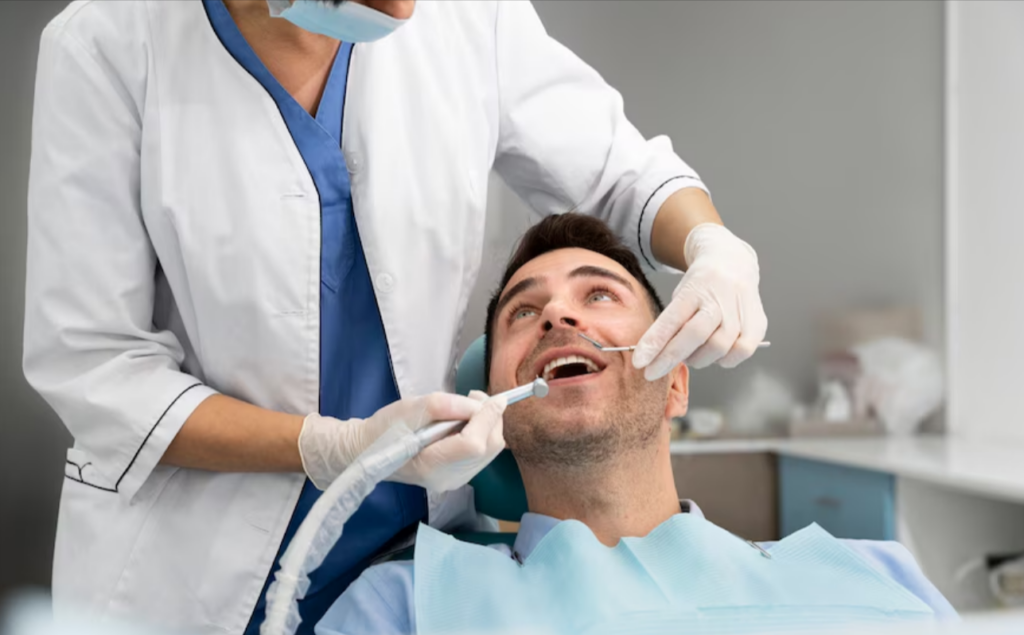
One crucial factor that makes preventive dental care cost-effective is early detection. If a dentist is able to notice a problem in its early stages, it will be easier and less invasive to treat. Dental screenings allow your dentist to detect problems such as tooth decay, gum disease, and oral cancer, among many other issues that may arise.
Most of these problems can be resolved if the dentist is able to detect them before they progress further. Therefore, early detection makes it cheaper and less invasive in the long run.
Preventive dental care is dedicated to preserving oral health to minimize or avoid dental problems’ occurrence. In turn, reactive treatments include reacting to problems when they have already occurred. Although reactive treatments are occasionally essential, they are commonly more expensive and time-consuming than preventive actions.
Take, for example, the cost of treating advanced gum disease and a regular visit to a dental hygienist combined with the appropriate daily oral hygiene routine. Besides, it is not only cheaper but also spares you the pain and discomfort of battling advanced gum disease with its treatment.
Investing in preventive dental care is very cost-effective in the long term. Preventing expensive dental problems not only saves you a lot of money, but it also reduces the costs associated with dental pain, discomfort, as well as the risk of systemic complications such as untreated dental problems.
Poor oral health has been linked to several systemic health conditions, including heart disease, diabetes, and respiratory diseases. Therefore, prioritizing preventive dental care is not only saving but also an investment in your health and quality of life.
To make the most of preventive dental care and its cost-effectiveness, don’t forget the below-mentioned tips:
Preventive dental care is not just about upkeep a gleaming smile; it is about preserving your oral health inside and out, including your fiscal health. Beginning early with preventative measures could not only rescue you from a costly dental work, but it could as well allow you to benefit from a vibrant, healthy smile for many years to come. Therefore, do not put off planning for dental difficulties in the future; take preventative action today!