When Is Tooth Extraction Necessary in a Dental Emergency?
18/05/2026
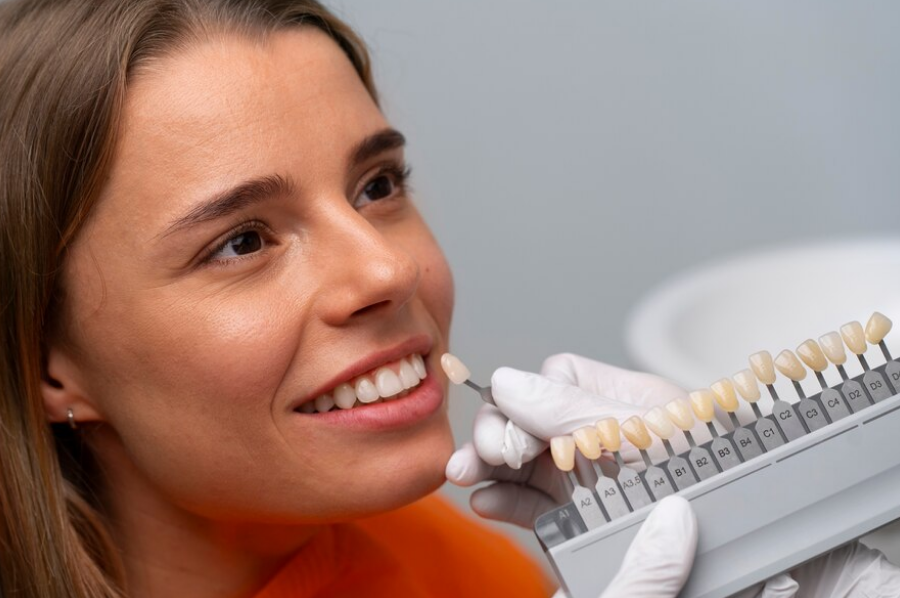
Dental veneers are a popular cosmetic solution for anyone looking to improve their smile. Their thin, specially-made shells are intended to cover teeth’s front surfaces, improving their appearance. Made from either porcelain or composite resin, dental veneers offer a natural look and are used to fix a range of dental issues.
Dental veneers can address various cosmetic concerns, including:
Discolored Teeth: Stains that don’t respond to traditional whitening can be effectively concealed with dental veneers. This includes discoloration from root canals, certain medications, or excessive fluoride.
Worn Down Teeth: Teeth that have been worn down from grinding or other issues can be restored to their original shape and size with dental veneers.
Chipped or Broken Teeth: Veneers can mask the appearance of chipped or broken teeth, making them look whole again.
Misaligned or Irregularly Shaped Teeth: Dental veneers can correct minor misalignments and give your teeth a more uniform appearance without the need for braces.
Gaps between Teeth: Small gaps between teeth can be closed using veneers, creating a more even smile.
Porcelain Veneers: Known for their durability and stain resistance, porcelain veneers are custom-made in a dental lab. For those looking for a long-lasting solution, they are a great option because they closely resemble the light-reflecting qualities of natural teeth.
Composite Resin Veneers: These are applied directly to the teeth and sculpted into the desired shape. Although they cost less than porcelain veneers, they are more likely to stain and might not last as long.
Three dentist visits are typically required to complete the dental veneer procedure.
Consultation: The first visit is all about discussing your goals and options. The dentist will evaluate whether veneers are the right solution for you and explain the procedure.
Preparation: During the second visit, the dentist prepares your teeth for the veneers. This involves removing a small amount of enamel from the surface of the teeth to make room for the veneer. Next, in order to make custom veneers, impressions of your teeth are taken.
Bonding: On the final visit, the veneers are placed on your teeth. The dentist will check the fit and color before permanently bonding them to your teeth with a special cement.
Proper care is essential to ensure the longevity of your dental veneers. Here are some tips:
Maintain Good Oral Hygiene: Brushing and flossing regularly is crucial to keeping your veneers and natural teeth in good condition.
Avoid Hard Foods: Biting into hard foods or objects can damage your veneers. It’s wise to avoid biting on things like ice, hard candy, or even your fingernails.
Regular Dental Checkups: Regular visits to the dentist help keep your veneers in good shape and address any issues early on.
The type of veneer and the level of maintenance you give them determine how long they last. Porcelain veneers can last between 10 to 15 years, while composite resin veneers may last around 5 to 7 years. Good oral hygiene and regular dental visits can extend the life of your veneers.
Dental veneers are an effective way to achieve a perfect smile. Whether you’re looking to cover up stains, repair chipped teeth, or close gaps, they offer a solution that looks natural and lasts for years. If you’re considering improving your smile, dental veneers might be the right choice for you.