When Is Tooth Extraction Necessary in a Dental Emergency?
18/05/2026
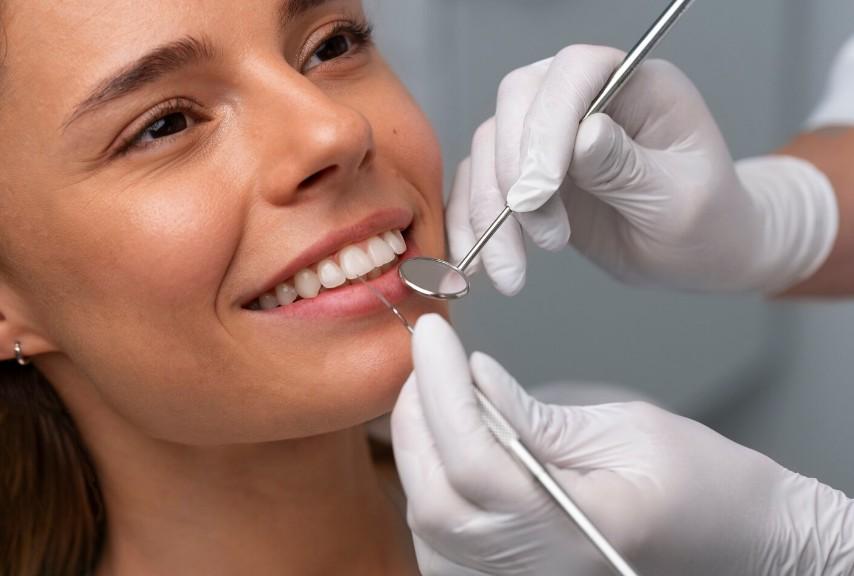
If you’re planning for a dental implant and you feel a little anxious, you’re not alone. Many people in Connelly Springs, Rutherford College, Valdese, or any region feel the same way, especially if they consider themselves high-risk. It’s a big step, and it’s normal to want the best chance at a strong and long-lasting result.
Here’s what we’ll cover:
• Habits that raise implant success
• Health steps that support healing
• How your dentist guides your progress
Now, let’s walk through this slowly and clearly.
Your body wants to heal. It tries hard every day. When you plan for a dental implant, you help that healing happen when you focus on simple, steady habits.
Your dentist checks your bone levels, your gums, and your health history. These steps don’t just fill a chart. They help your dentist match the implant to your needs. If you smoke or use tobacco, stopping or cutting back raises your success rate a lot. Smoking slows blood flow. Slow blood flow slows healing.
If you have diabetes, high blood pressure, or bone issues, tell your dentist everything. Your dentist needs to see the full picture so the treatment fits what your body needs right now.
Many high-risk patients think the implant itself is the challenge. The real work often happens before the procedure. Your jawbone needs strong support.
You can help your bone stay steady with small, daily steps:
Clean gums heal better. Clean gums also hold the implant better. Brush gently in small circles. Use a soft toothbrush. Rinse with warm salt water if your dentist approves it. A clean mouth lowers the chance of infection and helps your implant stay strong during the early weeks.
Your dentist doesn’t give you aftercare rules just to be safe. They give them because these rules protect the implant during the period when it’s most fragile.
Most dentists ask you to avoid biting hard foods early on. They ask you to keep the area clean and avoid touching it with your fingers or tongue. These rules seem small, but they help the implant settle into your bone.
Your dentist checks how well the implant bonds with your bone. Only your dentist can see early signs of stress or infection. High-risk patients often need a few extra visits. These visits don’t mean anything is wrong. They make sure everything stays on track.
Dental implant care works best when you and your dentist act like a team. Ask your dentist about healing time. Ask about foods you can eat. Ask what discomfort feels normal.
You don’t need to understand every medical detail. You just need to stay involved, show up for your visits, and follow simple home care steps.
Your body heals at its own speed. Some people feel great after a few days. Others need more time. Both paths are fine. When you treat your healing like a partnership between you and your dentist, you raise your dental implant success rate more than you may realize.
Can I drink coffee right after my dental implant procedure?
Your dentist may ask you to avoid hot drinks for a short time. Heat can increase swelling. Once your dentist approves it, warm coffee is usually fine.
How long does the numb feeling last after a dental implant?
Numbness often fades within a few hours. If it stays longer, your dentist can check the area and make sure everything heals as expected.
Will changes in weather affect my dental implant while it heals?
Some patients say they feel mild pressure when the weather shifts, but it’s usually short and harmless. If it feels strong or doesn’t fade, let your dentist know so they can look at it.